
“Without Toronto, I probably wouldn’t have succeeded.” Blue Jays legend Tom Henke emotionally shared as he publicly revealed his long battle with anxiety for the first time.
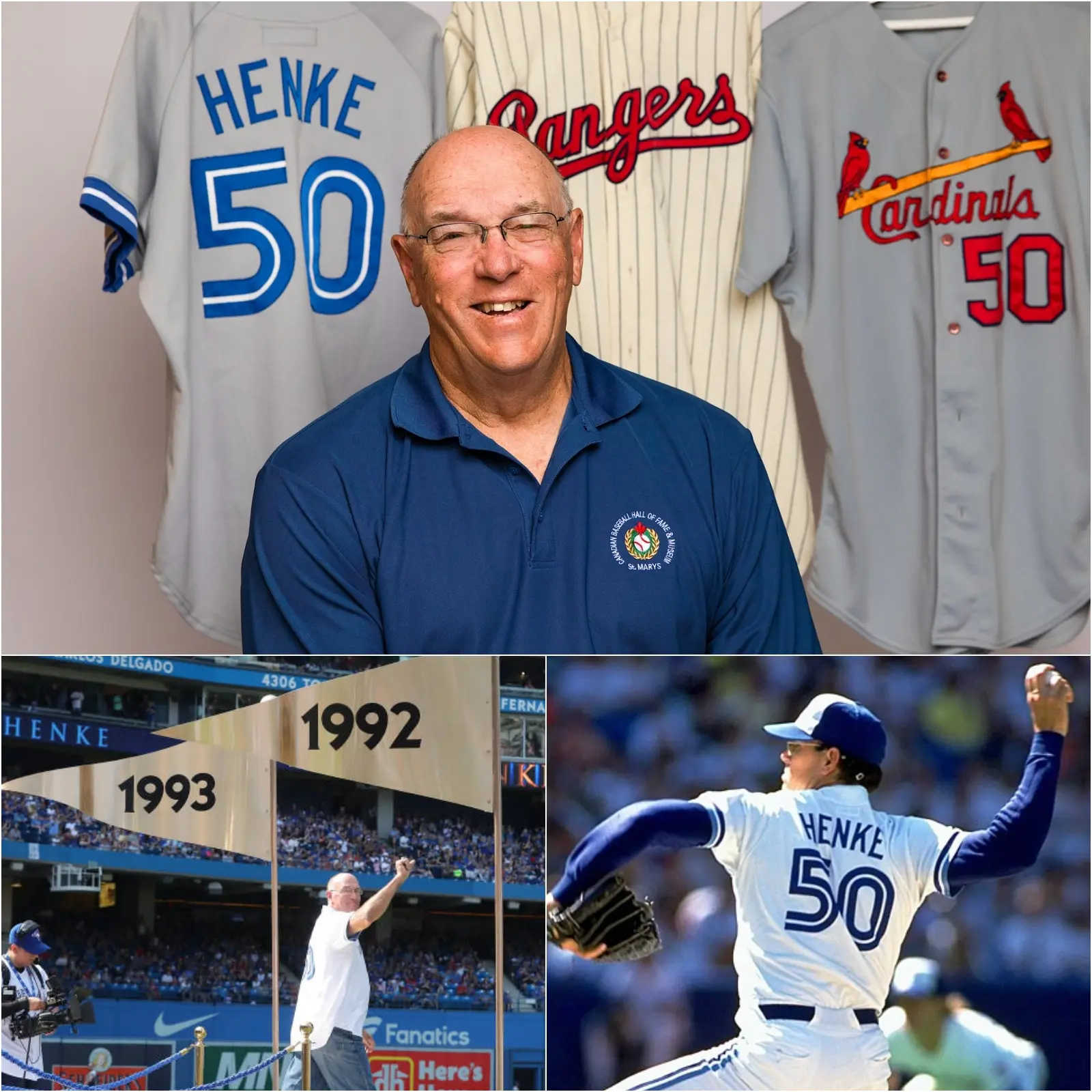
In the high-stakes world of Major League Baseball, where pitchers face immense pressure in the ninth inning with games on the line, Tom Henke earned the nickname “The Terminator.” Known for his calm demeanor, intimidating presence on the mound, and ability to close out games with precision, Henke became a cornerstone of the Toronto Blue Jays’ success in the late 1980s and early 1990s.
Yet, decades after his playing days, the 68-year-old legend has opened up for the first time about a deeply personal struggle that contrasts sharply with his on-field image: a long battle with anxiety, one that his doctor links to something akin to post-traumatic stress disorder (PTSD).

In a heartfelt telephone conversation with Toronto Sun columnist Steve Simmons, Henke revealed the hidden challenges he faces today. He no longer enjoys big crowds, admits to feeling somewhat claustrophobic, and avoids travel, particularly flying. These symptoms emerged later in life, despite a career defined by composure under pressure. “My doctor thinks it’s similar to Post Traumatic Stress Disorder,” Henke shared. “We had a long talk recently about it and it’s almost like I was in the military or something like that.
He said it’s like PTSD and, for reasons we don’t understand, it didn’t show up with me until later in life.” He is now seeing a doctor and using natural remedies to manage the ongoing battle.
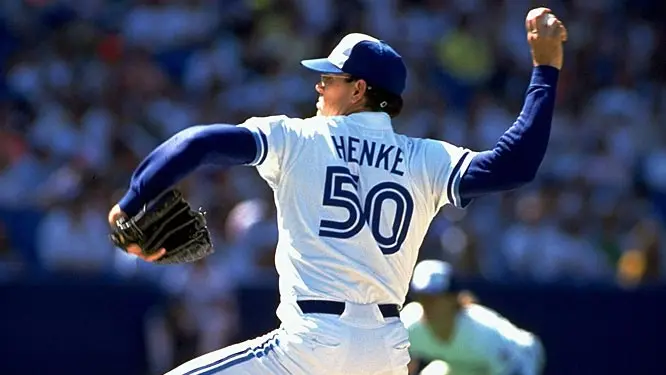
This confession has resonated deeply with fans across MLB, humanizing a player once feared for his split-finger fastball and unwavering focus. Henke’s story highlights the mental toll that elite athletic performance can take, even on those who seemed unbreakable. For Henke, Toronto played a pivotal role not just in his professional achievements but in providing the support system that helped him thrive.
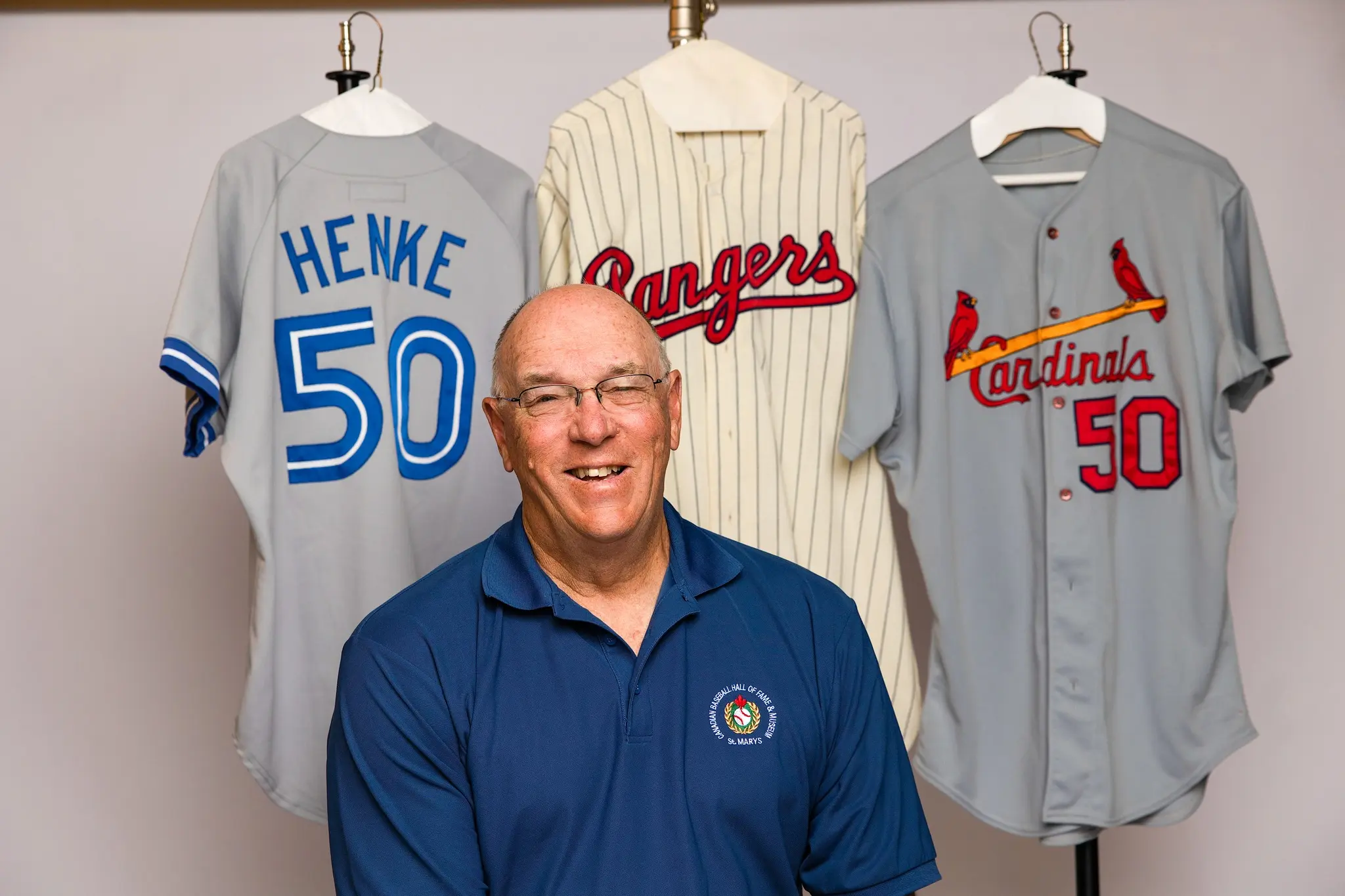
Born in 1957 in a small Missouri town, Henke’s journey to the majors was unlikely. Drafted by the Texas Rangers, he struggled early before finding his footing. Acquired by the Blue Jays in a compensation draft pick after the 1984 season, Henke arrived in Toronto in 1985 and immediately transformed the franchise. That year, the Jays reached the playoffs for the first time in team history, winning 99 games. Henke’s arrival as a reliable closer provided the bullpen stability they desperately needed.
Over eight seasons with Toronto, Henke recorded 217 saves — a franchise record that still stands — with a sparkling 2.48 ERA. He struck out batters at an impressive clip and helped lead the team to multiple playoff appearances, culminating in the 1992 World Series victory. His performance in the postseason was clutch, contributing to one of the most memorable bullpens in Jays history. Henke later played for the Texas Rangers and fulfilled a childhood dream by closing games for the St. Louis Cardinals, retiring with 311 career saves.
Yet, as Henke reflects now, the pressure of closing games was immense. “Everything is on the line at the end of the game,” he explained. “Being a closer is like being a field goal kicker in football: You’re either the hero or the goat.” Success required a short memory and strong mental fortitude. “The guys that are most successful push things away and forget the bad stuff. I had the ability to do that.” He credited manager Cito Gaston for perspective, reminding players that there was always another game tomorrow in the 162-game grind.
Despite this outward resilience, the cumulative stress has manifested years later. Henke described relying on family, teammates, and his faith during tough times. From a small-town background, he initially struggled with big-city life, including a dislike for New York, but Toronto felt different. The city and its fans embraced him, offering belief and second chances after poor outings — support he credits as crucial to his success. “Without Toronto, I probably wouldn’t have succeeded,” he emotionally shared, underscoring how the organization and community became a second home.
His connection to the Blue Jays remains strong. Henke plans to visit Toronto next month for the team’s 50th anniversary celebrations, though the 14-hour drive from Missouri reflects his current aversion to flying. He is looking forward to reconnecting with friends, family, and fans while participating in the festivities. This trip, carefully planned, represents both a challenge and a joyful homecoming.
Henke’s story also touches on empathy for current players. Reflecting on the Blue Jays’ recent postseason experiences, including closer Jeff Hoffman’s tough moments in the World Series, Henke expressed compassion. He recalled his own miscues, like giving up a tying run in the 1992 playoffs, and the difficulty of moving past them. “Sometimes your career is defined by one miscue. It’s not really fair,” he noted, offering that he would reach out to Hoffman if possible. The mental aspect of the game, he emphasized, is the hardest part.
Beyond the diamond, Henke has stayed involved in baseball through youth clinics, appearances for the Cardinals, and time with his 12 grandchildren. He remains humble and grounded, a country boy at heart who once philosophized, “sometimes you got the bear and sometimes the bear gets you.” His family, including his wife and late father, provided vital anchors. He still cherishes bonds with former teammates like catcher Pat Borders.
Henke’s revelation comes at a time when mental health awareness in sports is growing. Athletes across disciplines are increasingly sharing stories of anxiety, depression, and the lingering effects of high-pressure careers. His openness breaks the stereotype of the unflappable closer and encourages others to seek help. As he battles these challenges, Henke continues to draw strength from the same sources that fueled his career: support networks and resilience.
Fans and the broader MLB community have responded with an outpouring of admiration and well-wishes. Many recall Henke’s dominance — his glasses, mullet-era look, and ability to strike fear into hitters — while now appreciating the vulnerability behind the legend. Toronto, in particular, has always celebrated its sports heroes, and Henke’s contributions to the franchise’s golden era ensure his place in team lore.
As Henke prepares for his return to the city that shaped him, his journey serves as a powerful reminder that success in baseball, or any demanding field, involves more than physical talent. It requires mental endurance, community support, and the courage to confront hidden struggles. For a pitcher who once owned the ninth inning, this latest chapter underscores that true strength often lies in acknowledging one’s battles. Toronto didn’t just witness Henke’s triumphs; it helped sustain him through them — a bond that endures long after the final out.
In sharing his story, Tom Henke has added another layer to his legacy. Not just as a World Series champion and record-setting closer, but as a man whose honesty inspires fans and athletes alike to prioritize well-being. The Terminator may have hung up his cleats, but his impact on the game and those who love it continues to resonate.