
As Glasgow Warriors continue their preparations for a crucial United Rugby Championship semi-final, head coach Franco Smith has revealed that the squad has spent significant time reviewing its recent quarter-final performance against Connacht. Although the Warriors secured a place in the final four, Smith made it clear that the result alone was not enough to satisfy the standards that have been established within the club over the past few seasons.
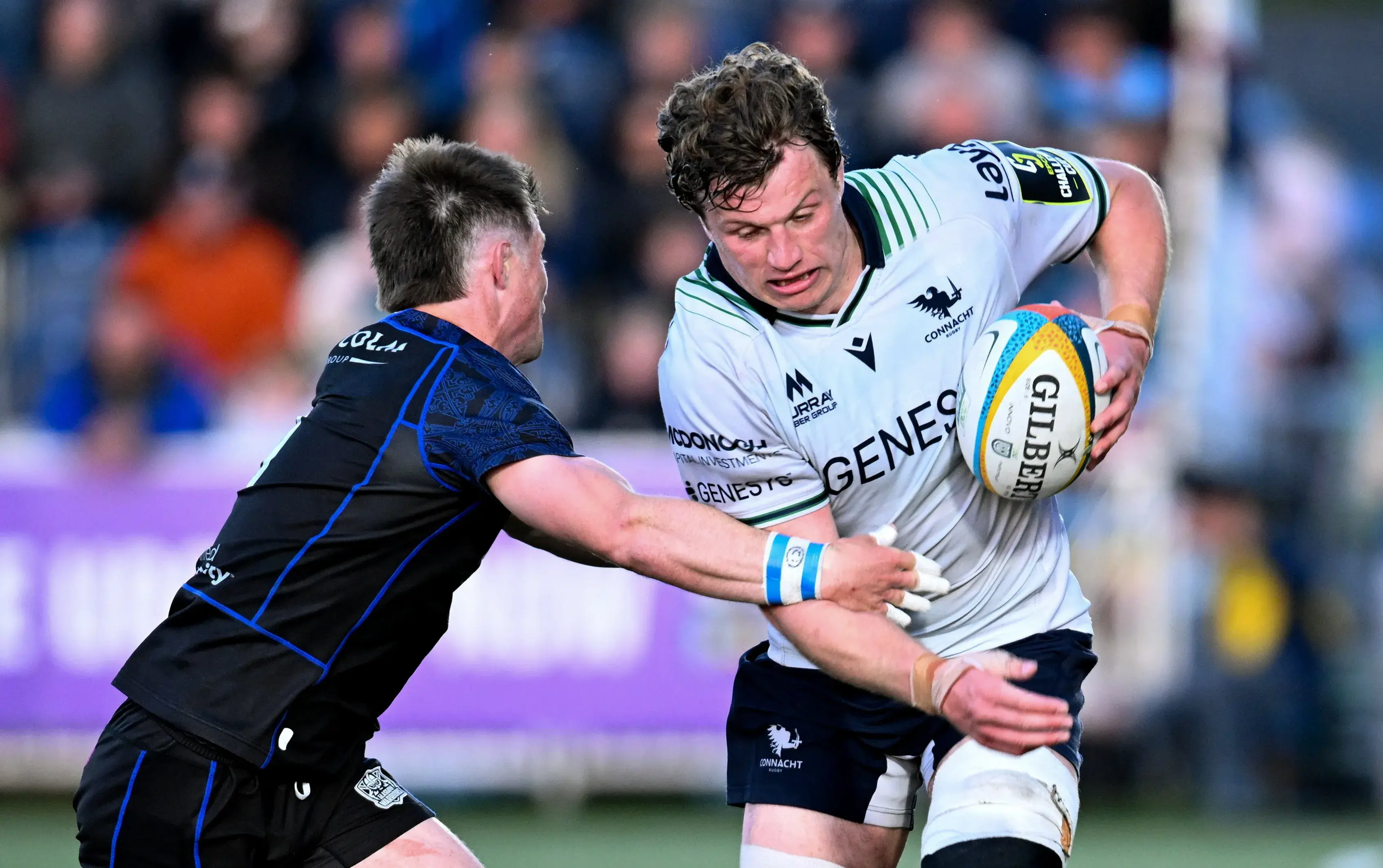
Speaking about the review process, Smith explained that players and coaches gathered shortly after the match to carefully analyse the areas where the team fell short of expectations. The South African coach stressed that knockout rugby often leaves little room for error and that even victories can provide valuable lessons ahead of more demanding challenges.
According to Smith, the analysis identified five key areas that require improvement before the semi-final. While he praised the commitment and determination shown by his players, he emphasized that the team cannot afford to repeat the same mistakes against stronger opposition.

One of the primary concerns involved discipline. Throughout the quarter-final, Warriors conceded several penalties at important moments, allowing Connacht to relieve pressure and gain valuable territory. Smith noted that some of these infringements resulted from over-eagerness rather than a lack of effort, but he insisted that discipline remains a critical component of success at this stage of the competition.
The coaching staff reportedly highlighted a number of situations where players could have made better decisions at the breakdown and in defensive transitions. Smith explained that maintaining composure under pressure is essential, particularly in knockout matches where momentum can change rapidly. He believes reducing unnecessary penalties will be one of the team’s biggest priorities during the week.
The second issue identified by the coaching staff was the Warriors’ defensive organization during certain phases of the match. While Glasgow generally defended well for long periods, Connacht managed to create several dangerous opportunities through quick ball movement and intelligent support lines.
Smith acknowledged that the defensive system itself remains sound, but he felt communication between players occasionally dropped below the standards expected at professional level. In particular, he pointed to moments where defenders hesitated or failed to react quickly enough when Connacht changed the point of attack.
Defence has been one of Glasgow’s strengths throughout the season, and Smith expressed confidence that the squad possesses the experience and quality needed to correct these problems. He suggested that improved communication and greater awareness in key situations could significantly strengthen the team’s overall performance.
The third area of concern centred on game management. Smith explained that there were periods during the quarter-final when the Warriors attempted to force opportunities rather than maintaining patience and controlling possession. While attacking ambition remains an important part of Glasgow’s identity, the coach stressed that successful teams know when to take risks and when to prioritize territory and control.
Several passages of play were reviewed in detail, with coaches encouraging players to make more calculated decisions in high-pressure situations. Smith believes that improved game management will help the team maintain control during difficult moments and prevent opponents from gaining momentum.
The fourth mistake identified during the review involved execution in attacking situations. Glasgow created numerous opportunities against Connacht but failed to convert several promising attacks into points. Whether through handling errors, inaccurate passes, or breakdown issues, the Warriors occasionally allowed pressure to dissipate after working hard to create scoring positions.
Smith praised the creativity and intent displayed by his backs and forwards but emphasized that elite teams must be clinical when opportunities arise. He noted that semi-finals are often decided by small margins and that every scoring chance becomes increasingly valuable as the competition progresses.
Training sessions throughout the week have reportedly focused heavily on improving accuracy and execution under pressure. Coaches have challenged players to maintain concentration even when fatigue begins to affect decision-making late in matches.
The fifth issue highlighted by Smith related to restarts and aerial contests. Connacht enjoyed some success in challenging kick-offs and contestable kicks, creating moments of uncertainty for Glasgow. While these situations did not ultimately prove decisive, Smith acknowledged that they represented an area where the team could improve significantly.
Modern rugby places enormous importance on set-piece details and transitional phases. Winning possession from restarts or successfully contesting high balls can dramatically influence momentum. Smith believes greater consistency in these areas will provide the Warriors with a stronger platform from which to build their game.
Among all the issues discussed during the review, however, one particular incident attracted significant attention. Smith reportedly singled out a mistake made by one of the team’s younger players during a crucial period of the quarter-final. The error allowed Connacht to regain possession in a dangerous area and nearly shifted the balance of the match at a critical moment.
While the coach did not publicly criticize the player in a harsh or personal manner, he used the example to demonstrate the importance of concentration and decision-making under pressure. According to those familiar with the review session, Smith emphasized that young players must learn quickly from such experiences if they are to develop into consistent performers at the highest level.
Importantly, Smith also made it clear that responsibility for performance is shared across the entire squad. Rather than placing blame on a single individual, he stressed that rugby remains a collective sport where every player contributes to both successes and mistakes.
Several senior members of the squad reportedly supported this message during team discussions. Experienced players encouraged younger teammates to view criticism as part of the development process and to use setbacks as motivation for improvement.
The atmosphere within the Warriors camp appears focused rather than divided despite external speculation regarding internal tensions. Sources close to the team suggest that the review process was conducted professionally, with players openly discussing areas where improvements could be made.
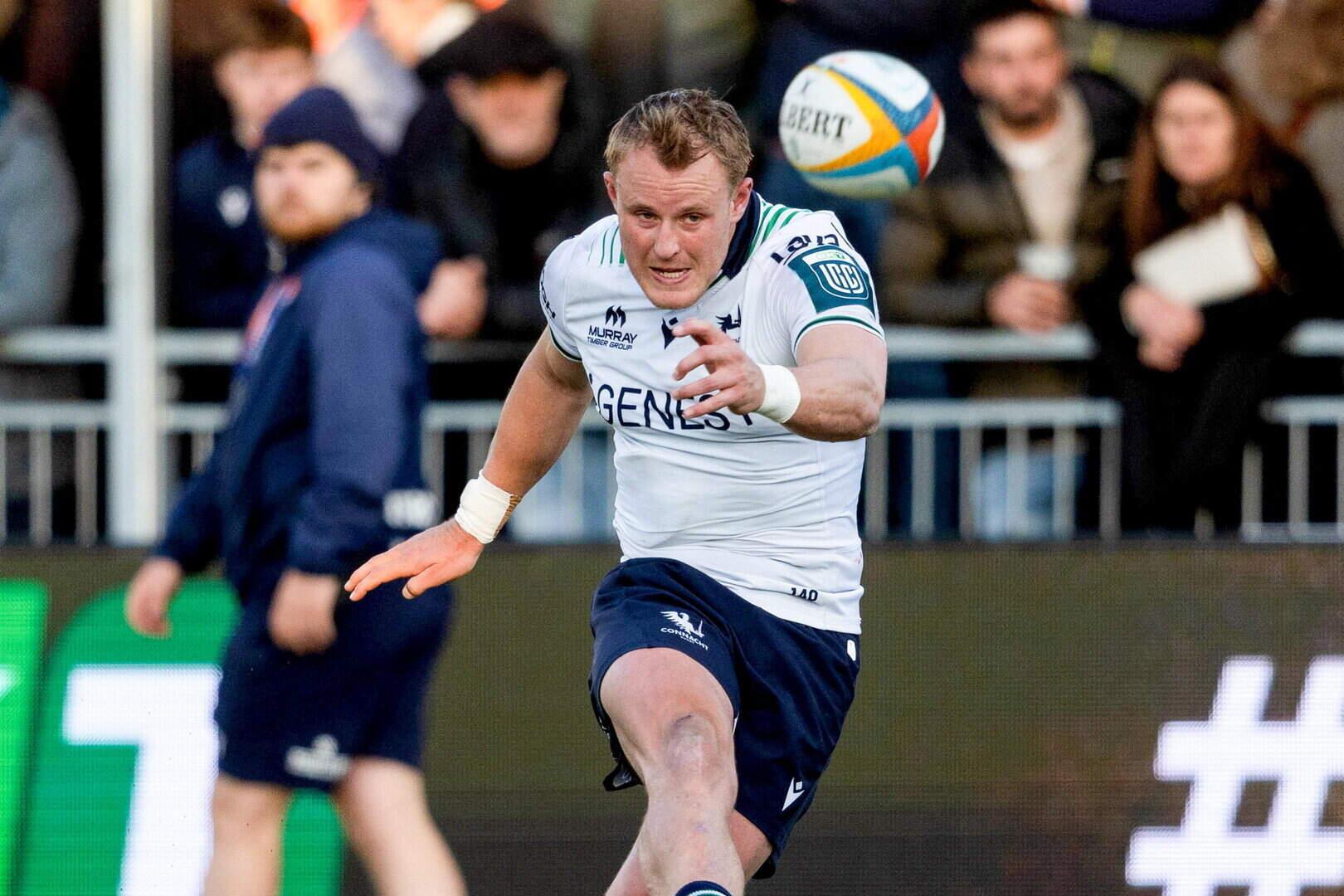
Smith has long been known for his detailed and methodical approach to coaching. Since taking charge of Glasgow Warriors, he has consistently emphasized accountability, preparation, and continuous development. His willingness to analyse victories with the same intensity as defeats has become a defining characteristic of his leadership style.
Many observers believe this mentality has played a significant role in Glasgow’s recent success. Rather than becoming complacent after positive results, the coaching staff continually challenges players to raise their standards and seek further improvement.
The return of key players from injury could also strengthen the Warriors ahead of the semi-final. Increased competition for places often leads to higher standards during training, and Smith will have several important selection decisions to make in the coming days.
At the same time, the coach remains cautious about focusing too heavily on individual personnel. Throughout the season, Glasgow’s success has been built on collective effort, squad depth, and a clear understanding of tactical responsibilities. Smith believes maintaining those principles will be essential if the team hopes to advance to the final.
Players have reportedly responded positively to the review process and understand the significance of the upcoming fixture. Training sessions have featured high intensity and strong attention to detail as the squad works to address the weaknesses identified during the analysis.
For supporters, Smith’s comments offer reassurance that the coaching staff is not overlooking the flaws that emerged during the quarter-final. While the victory over Connacht ensured progression in the tournament, the performance also highlighted areas where improvement remains necessary.
As the semi-final approaches, Glasgow Warriors find themselves in a position familiar to successful teams: pleased with the result, but determined to become better. The challenge now is transforming lessons learned from the quarter-final into improved execution on the field.
Smith remains confident that his players are capable of doing exactly that. By addressing issues related to discipline, defensive organization, game management, attacking execution, and aerial contests, he believes the Warriors can deliver a more complete performance in their next outing.
The coming match will provide the ultimate test of whether those lessons have been fully absorbed. Regardless of the outcome, Smith’s commitment to honest self-assessment continues to shape a culture where improvement never stops and where every performance, even a winning one, becomes an opportunity to learn.
For Glasgow Warriors, that philosophy may prove just as important as any tactical adjustment as they pursue their ambition of reaching another United Rugby Championship final.