
TENSION: ITV forced Ed Chamberlin to apologize during a broadcast of the Cheltenham Festival after some inappropriate remarks and gestures from Gold Cup race attendees sparked outrage among television viewers, who felt it was nothing short of an insult to horse racing.
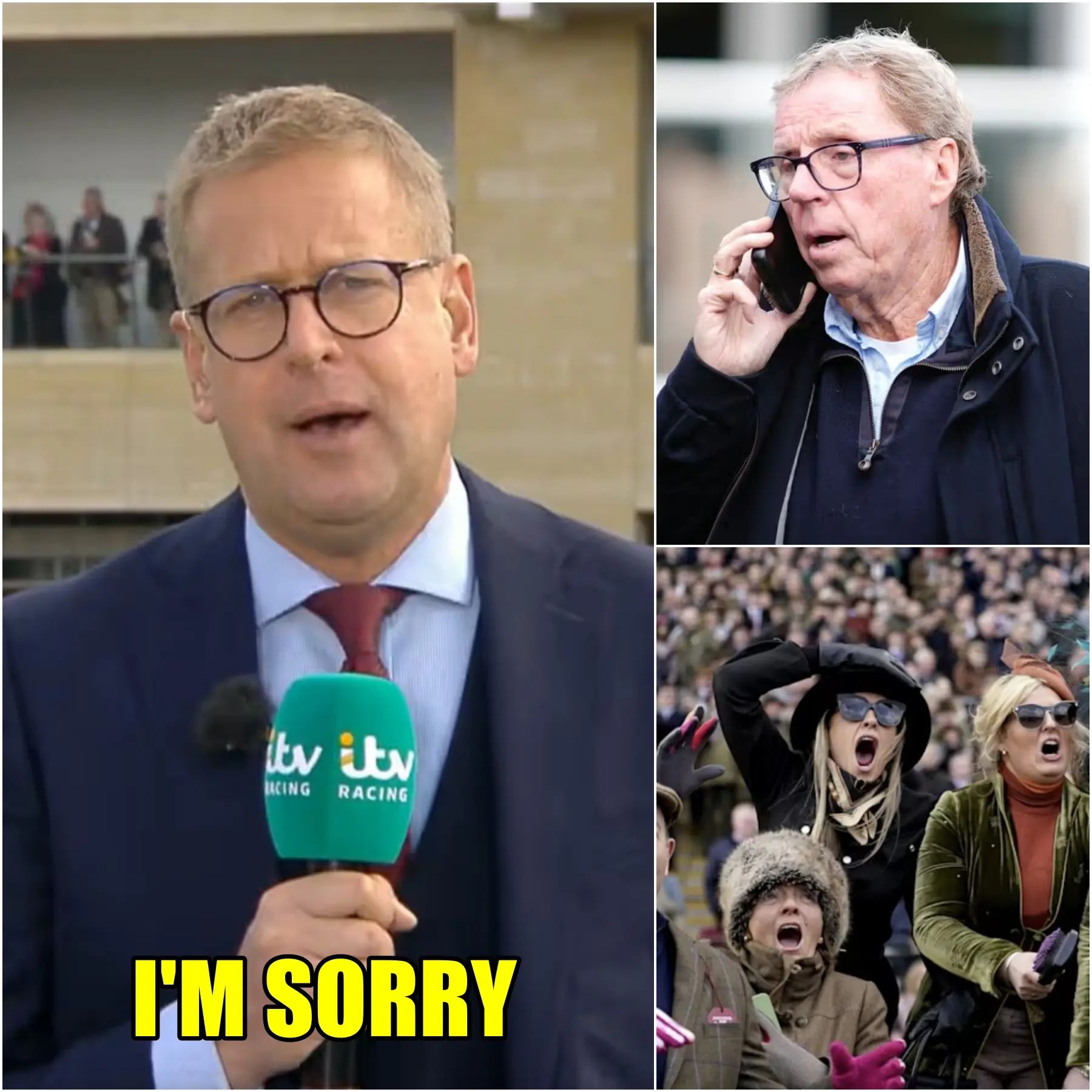
The Cheltenham Festival, one of the most prestigious events in the National Hunt racing calendar, is traditionally a celebration of sporting excellence, tradition, and the thrill of competition. Held annually in March at Prestbury Park in Gloucestershire, England, the four-day festival draws tens of thousands of enthusiasts from across the United Kingdom and beyond. The highlight of the week is undoubtedly Gold Cup Day on Friday, featuring the Cheltenham Gold Cup, a grueling steeplechase that crowns the champion of staying chasers and captivates audiences worldwide through live television broadcasts.
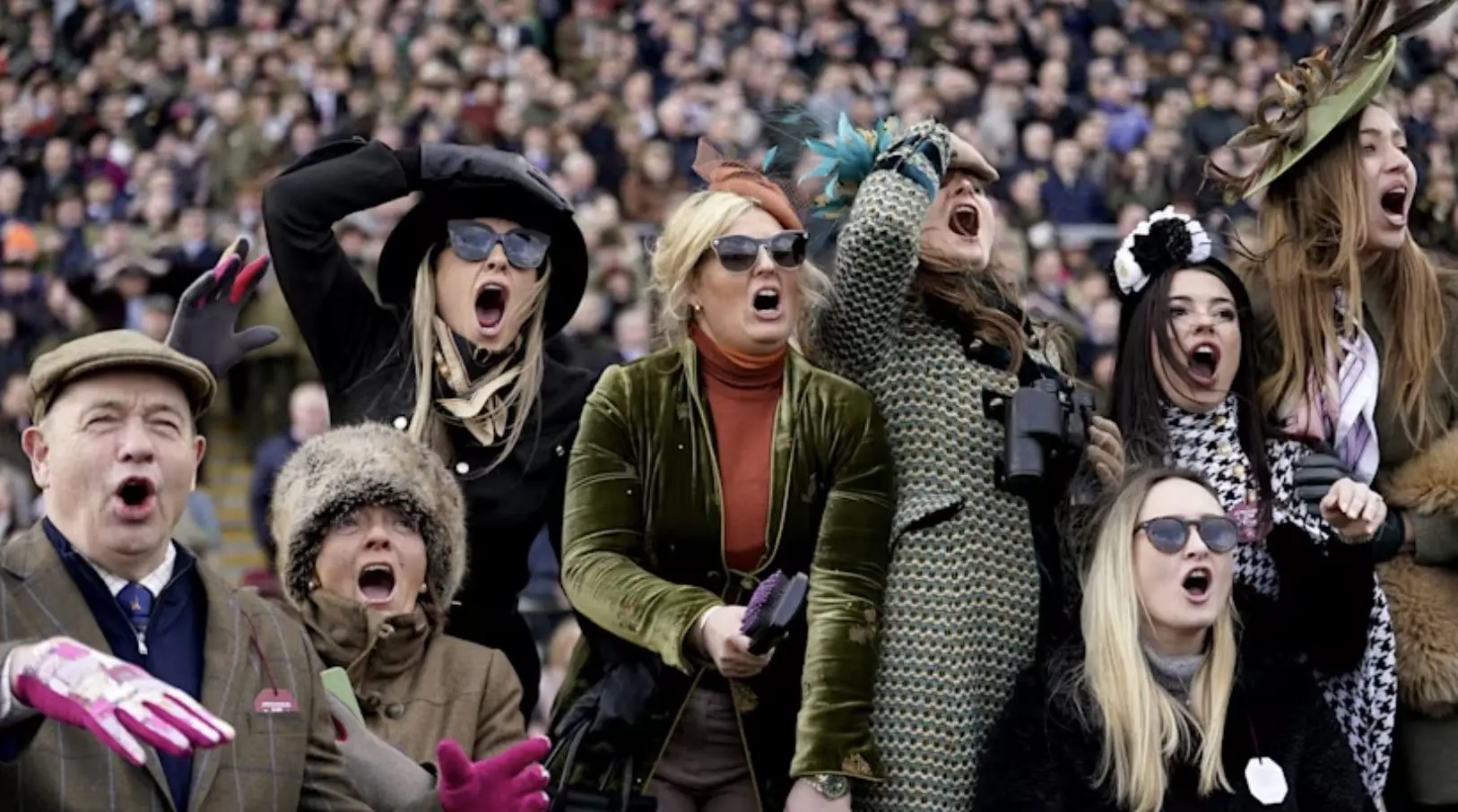
This year, however, the festival’s Gold Cup Day took an unexpected turn when a minor but highly visible incident disrupted ITV’s coverage, prompting a live on-air apology from lead presenter Ed Chamberlin. The moment unfolded during a segment in which reporter Oli Bell was conducting an interview with Paul from Preston, the winner of Tuesday’s ITV7 competition—a popular betting challenge that engages viewers by allowing them to pick selections across races. As the interview progressed in the parade ring area, background noise from the crowd became audible on the broadcast.
What started as typical festival atmosphere quickly escalated into something less savory: colorful language, including profanity, could be clearly heard, accompanied by visible gestures that many viewers interpreted as rude or offensive.
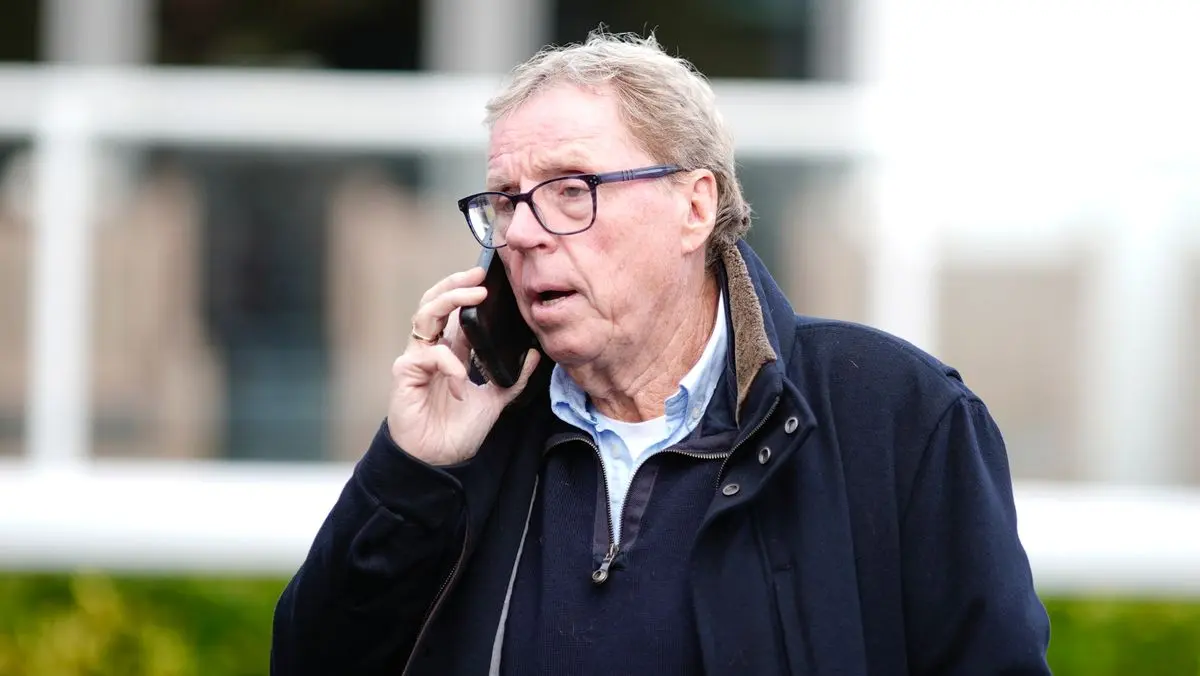
The inappropriate remarks and gestures appeared to come from a small group of racegoers positioned behind the interview setup. While the specifics of the language and actions were not extreme by some standards—reports described them as “swearing” and “a few gestures”—their pickup by the sensitive microphones and cameras during a family-friendly broadcast caught the attention of home viewers almost immediately. Social media platforms lit up with reactions, as audiences expressed discomfort and disappointment that such behavior had infiltrated the otherwise polished presentation of the event.
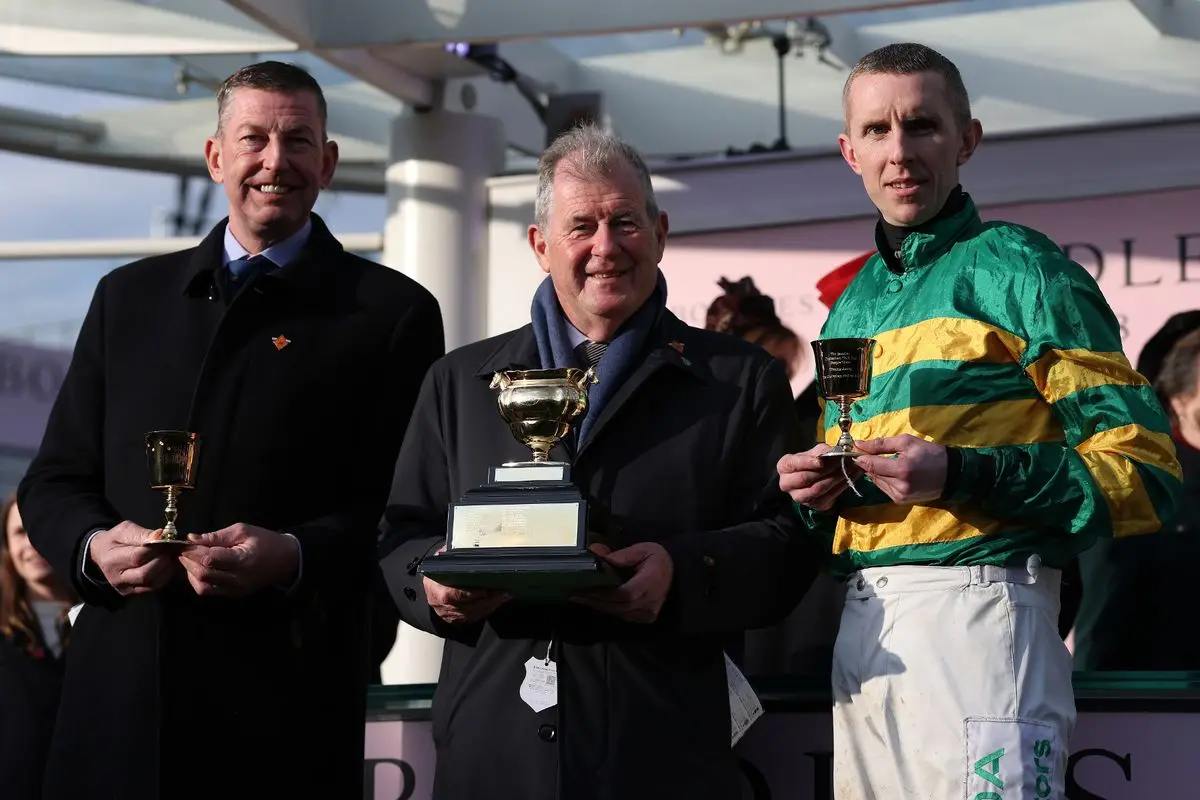
Ed Chamberlin, a veteran broadcaster known for his calm demeanor and deep knowledge of horse racing, swiftly addressed the issue when coverage returned to the main presenting desk. In a composed yet direct manner, he acknowledged the disruption, stating: “Apologies if you picked up any language there, there was one gesture as well. You can’t keep away the idiots sometimes on live television.” His comment, while light-hearted in tone and aimed at diffusing the awkwardness, reflected the reality of broadcasting live from a large public event where crowd control is never absolute.
Chamberlin’s apology was not an admission of fault on ITV’s part but rather a courteous gesture to maintain the professionalism expected of the channel’s racing coverage.
The incident, though brief, sparked a wave of viewer feedback that highlighted broader tensions surrounding the Cheltenham Festival’s atmosphere in recent years. For many dedicated followers of the sport, horse racing represents elegance, strategy, and respect for the animals and traditions involved. The sight and sound of rowdy behavior—however isolated—struck some as discordant with the prestige of the occasion. Complaints flooded in via social media and viewer correspondence, with several describing the moment as an “insult to horse racing” itself.
Critics argued that the festival, while a major social and betting occasion, should prioritize decorum to preserve its reputation as a family-oriented sporting spectacle.
ITV Racing has long been praised for its high-quality production, featuring expert analysis from figures like Ruby Walsh, AP McCoy, and others, alongside engaging on-course reporting. The broadcaster invests significant resources in covering the Cheltenham Festival, ensuring that millions tuning in from living rooms across the country receive a comprehensive and respectful viewing experience. Moments like this, however, serve as a reminder of the challenges inherent in live outdoor broadcasting. Large crowds, alcohol consumption, high emotions from wins and losses, and the sheer scale of the event—all contribute to unpredictable elements that can occasionally spill into the frame.
In the aftermath, the apology from Chamberlin appeared to satisfy most immediate concerns, and coverage quickly resumed its focus on the racing action. Gold Cup Day itself delivered plenty of drama on the track, with thrilling performances and competitive fields that reminded everyone why the festival remains a pinnacle of the sport. Yet the off-track incident lingered in discussions, prompting reflection on crowd behavior at major sporting events. Organizers at Cheltenham Racecourse have historically emphasized responsible enjoyment, with measures in place to promote safety and civility. Stewards patrol the grounds, and initiatives encourage attendees to celebrate responsibly.
This episode also underscores the evolving expectations around live television in an era of instant viewer feedback. What might have once passed unnoticed in a pre-social media world now gains rapid amplification online. Broadcasters like ITV must balance authenticity—capturing the genuine energy of the crowd—with the need to protect audiences from unintended offense. Chamberlin’s handling of the situation demonstrated professionalism under pressure, turning a potential embarrassment into a brief, managed moment.
For the sport of horse racing, such incidents are rare blemishes on an otherwise illustrious festival. The Cheltenham Gold Cup continues to embody the best of National Hunt racing: courage, endurance, and the unbreakable bond between horse and rider. As the dust settles on this year’s event, attention will shift back to the champions, the stories of triumph, and the anticipation for next season. Yet the brief tension on Gold Cup Day serves as a small but pointed reminder that even in the most celebrated arenas, maintaining respect and decorum remains an ongoing priority for participants, broadcasters, and fans alike.
The festival’s enduring appeal lies in its ability to unite people in shared excitement, but it also carries the responsibility to uphold standards that honor the sport’s heritage. Ed Chamberlin’s on-air response ensured that the focus returned swiftly to the racing, preserving the integrity of the broadcast and reaffirming ITV’s commitment to its audience. In the end, while the moment caused a stir, it did little to diminish the overall spectacle that is Cheltenham—though it did spark worthwhile conversations about how the sport presents itself to the wider world.