
“NO ONE IS LEFT BEHIND AT THE Boston Red Sox”
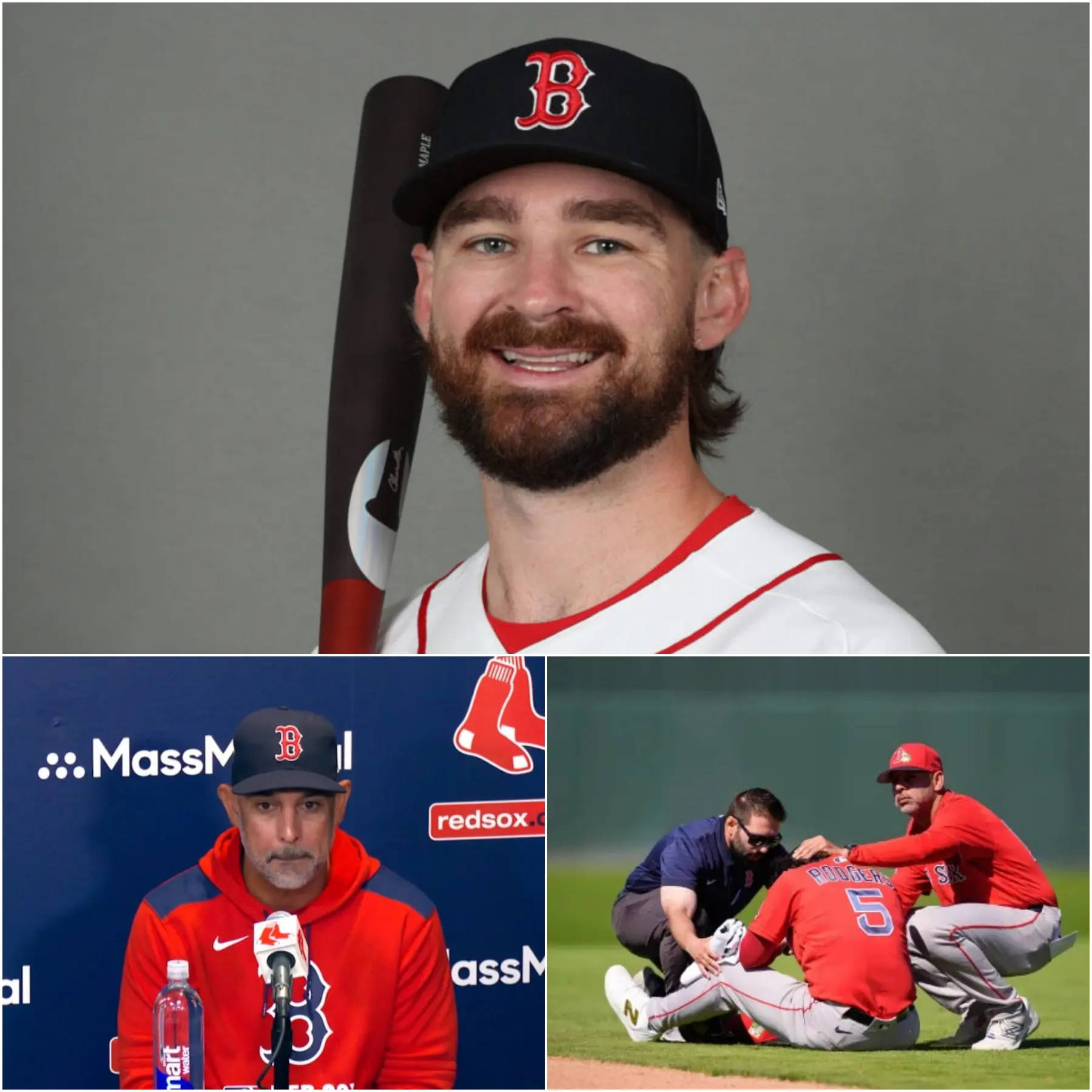
In the high-stakes world of professional baseball, where injuries can derail careers in an instant, the Boston Red Sox have once again demonstrated why their organization stands apart as more than just a franchise—it is a family. The recent serious shoulder injury suffered by infielder Brendan Rodgers during spring training has brought this ethos into sharp focus. Following an official announcement from the club, the Red Sox committed to covering all of Rodgers’ medical treatment and rehabilitation costs, regardless of the eventual total.
This move has deeply touched fans and players alike, underscoring a culture where no one faces hardship alone.
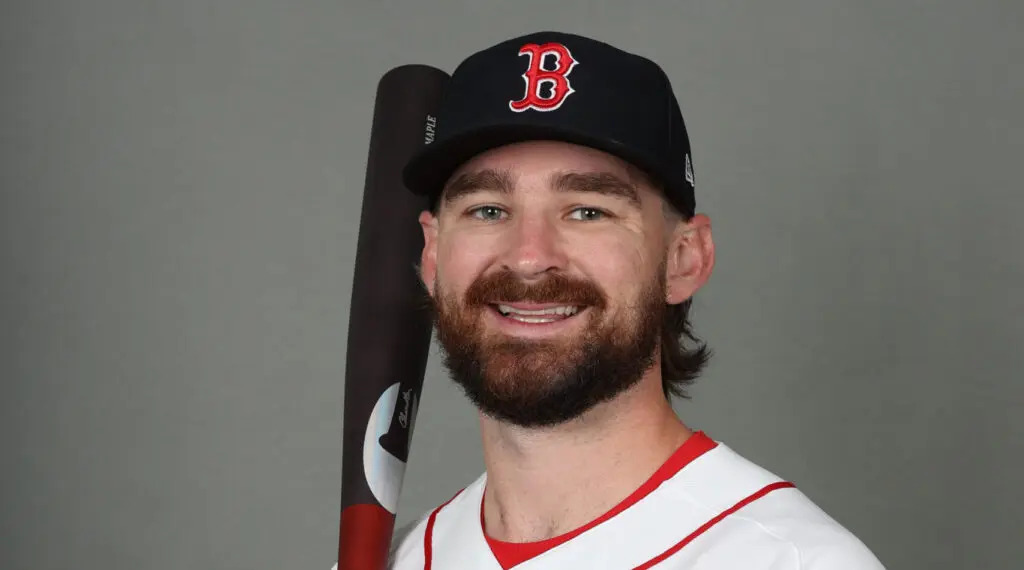
Rodgers, a former Gold Glove winner known for his defensive prowess at second base, joined the Red Sox on a minor league contract with an invitation to major league spring training earlier this year. After stints with the Colorado Rockies and Houston Astros, the 29-year-old arrived in Fort Myers hoping to secure a roster spot and revive his career following previous setbacks. He had battled multiple significant shoulder issues in the past, including surgeries that sidelined him for extended periods.
Yet, optimism surrounded his fresh start in Boston, where he could potentially pair with former teammate Trevor Story in the infield.
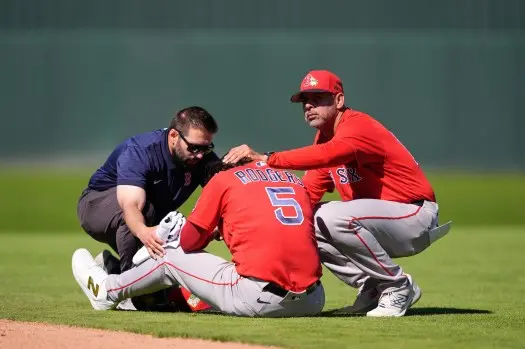
That hope was shattered on February 25 during a spring training game against the Minnesota Twins. Diving to his left for a hard line drive off the bat of shortstop Brooks Lee, Rodgers briefly gloved the ball before it popped out upon his rough landing. The impact jarred his right shoulder severely—not from the initial dive, but from reaching for the loose ball afterward. He left the field in visible pain, assisted by training staff, and underwent immediate evaluation. Initial reports described the shoulder as “pretty sore,” with imaging tests scheduled soon after.
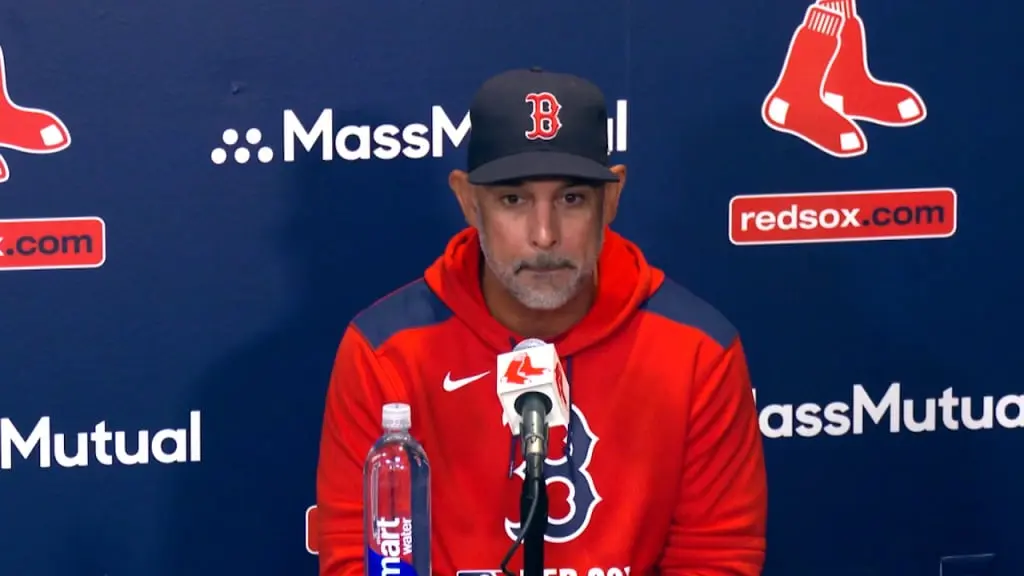
Subsequent MRI and CT scans delivered discouraging news. Red Sox manager Alex Cora addressed the media, noting the results “didn’t look great” and confirming that Rodgers would seek a second opinion, likely from renowned orthopedic surgeon Dr. Neal ElAttrache in Los Angeles. Cora stated plainly that surgery appeared most probable, though the exact procedure remained unclear pending further consultation. Given Rodgers’ injury history—including prior major surgeries on both shoulders—this latest setback almost certainly means he will begin the 2026 season on the injured list, likely with Triple-A Worcester if he remains in the organization.
The timing could not have been worse for Rodgers, who was competing for playing time in a crowded infield and lacked guaranteed roster security on his minor league deal. Such circumstances often leave players vulnerable, especially those without long-term contracts that include comprehensive medical provisions. Yet, the Red Sox stepped forward decisively. In an official statement that quickly spread across fan communities and social media, the club pledged full financial support for Rodgers’ upcoming treatment, surgery if required, and all associated rehabilitation expenses—no matter the cost.
Sources close to the organization described the projected expenses as substantial, given the complexity of shoulder repairs, potential specialist consultations, extended physical therapy, and possible long-term recovery protocols. Rodgers himself was reportedly taken aback by the generosity, expressing profound gratitude and emotion upon learning of the decision. For a player who has endured repeated physical trials, this gesture represented far more than financial relief; it affirmed his value as part of the Red Sox family during one of his most vulnerable moments.
This approach aligns seamlessly with the longstanding identity of the Boston Red Sox. The organization has cultivated a reputation for prioritizing people over purely transactional relationships. From historic comebacks on the field to behind-the-scenes support during personal challenges, the “family spirit” is not mere marketing rhetoric—it is embedded in the club’s operations. Fans have long celebrated instances where the team rallies around its own, whether through community outreach, charitable initiatives, or internal solidarity during adversity.
In an era of Major League Baseball where contracts, opt-outs, and arbitration dominate headlines, the Red Sox’s commitment stands as a powerful counterpoint. Rodgers’ situation highlights the disparities that can exist for non-roster invitees or players on minor league deals, who may face uncertain futures after injuries. By shouldering the burden entirely, Boston ensures that financial concerns do not compound the physical and emotional toll. This decision resonates deeply with supporters who view the team as an extension of their own community, especially in a city where loyalty runs generations deep.
The broader implications extend beyond one player. Rodgers’ injury serves as a reminder of baseball’s unforgiving physical demands, particularly for middle infielders who routinely make explosive movements. His history of shoulder problems—once threatening entire seasons—adds layers to the narrative. Yet, the Red Sox’s response reinforces a message that transcends wins and losses: no one is left behind. Players, from stars to depth pieces, can trust that the organization will stand by them through recovery and beyond.
As Rodgers prepares for what could be another arduous rehabilitation process, the support from Fenway’s front office provides a foundation of stability. Fans have flooded social media with messages of encouragement, sharing stories of past Red Sox comebacks and expressing pride in the club’s character. The announcement has sparked conversations about team culture in professional sports, with many praising Boston for leading by example.
In the end, baseball is a game of uncertainty—line drives, bad landings, and unforeseen setbacks define careers. But in Boston, the Red Sox have shown that while injuries may sideline a player, they do not isolate him. The pledge to cover Brendan Rodgers’ full medical and rehab needs is a heartfelt affirmation of the organization’s core values. It reminds everyone connected to the team—players, staff, and the passionate fanbase—that in the face of difficulty, the Boston Red Sox truly embody the principle that no one is left behind.