
💔“It was terrible and it was absolutely, utterly heartbreaking…” Karl Stefanovic’s ex-wife, Cassandra Thorburn, opens up for the first time about feeling abandoned by friends and family during her battle with cancer — bravely revealing the silent struggles she had kept hidden for so long…
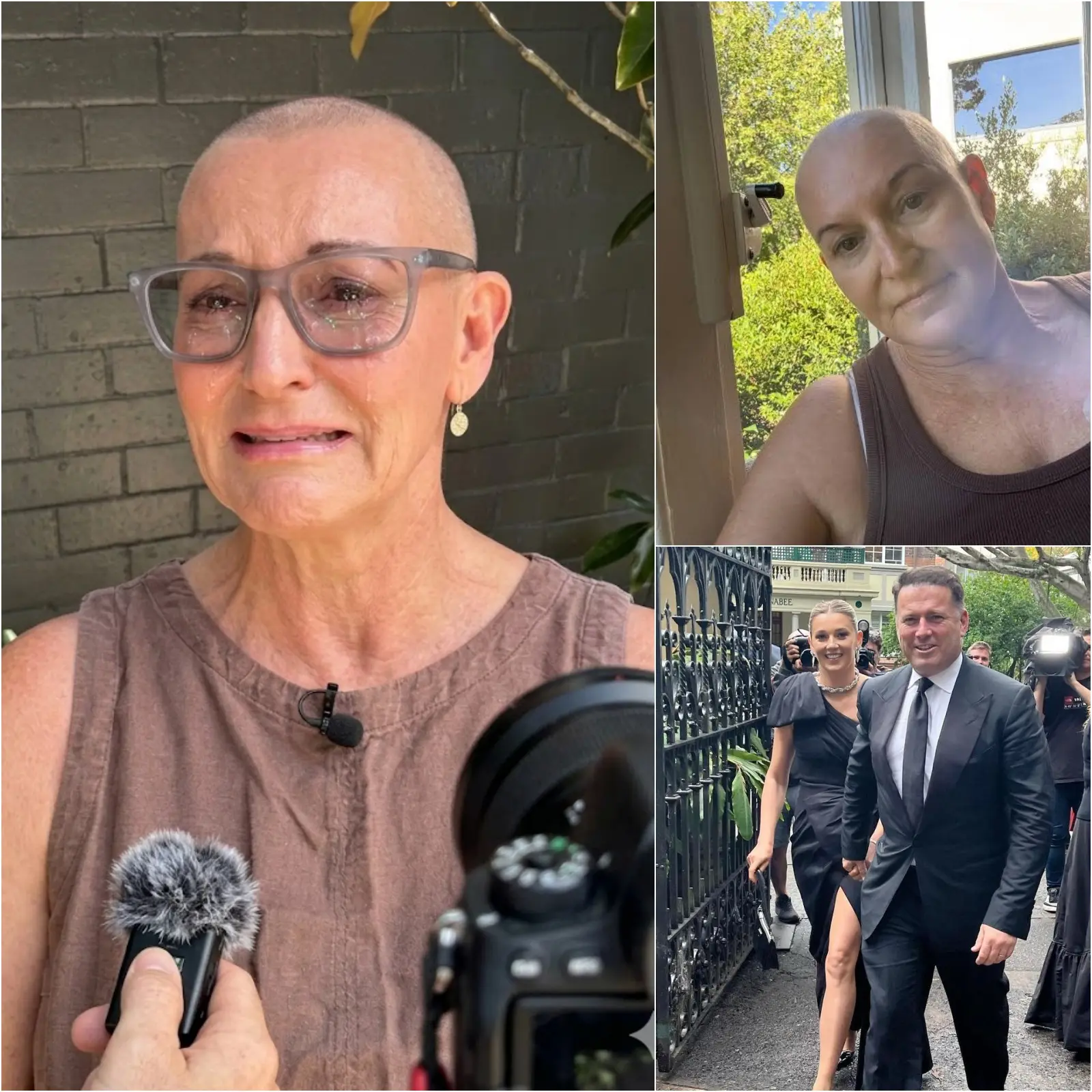
In the often glamorous world of Australian television and celebrity life, behind the public smiles and polished appearances lies a far more human reality—one marked by vulnerability, resilience, and sometimes profound isolation. Cassandra Thorburn, the former wife of longtime Today show host Karl Stefanovic, has stepped forward with a raw and courageous revelation that has touched hearts across the nation.
For the first time, the 55-year-old journalist, children’s author, and mother of three has spoken openly about the emotional toll of her battle with a rare and aggressive form of breast cancer, particularly the painful abandonment she experienced from friends and family she once counted on.
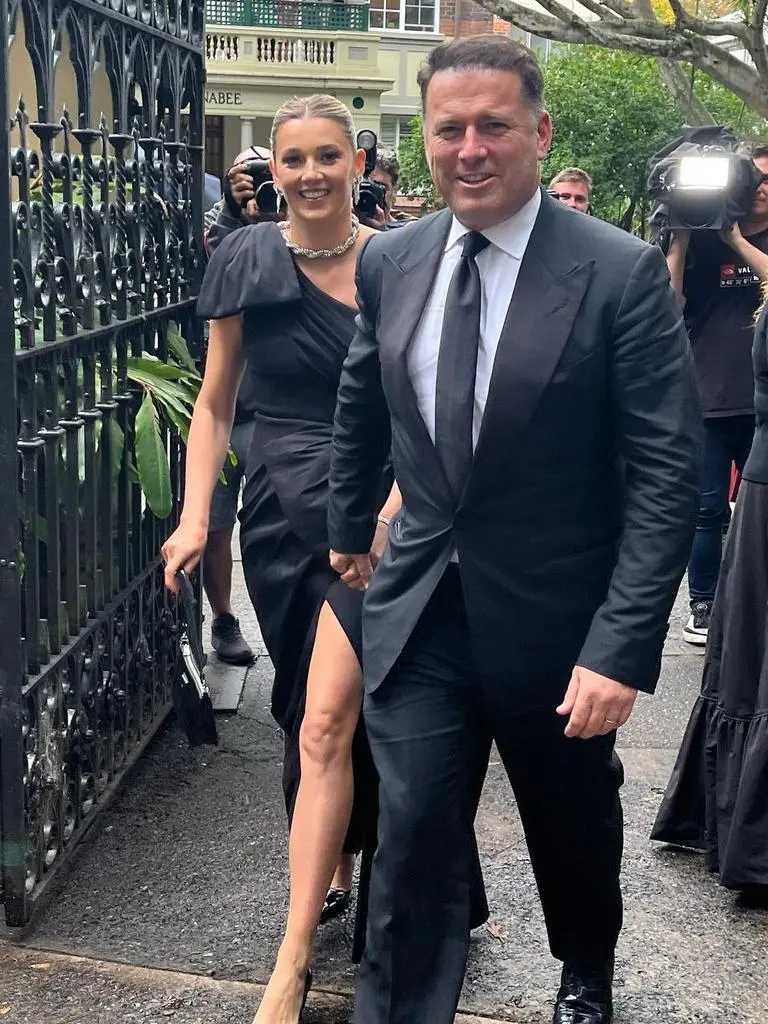
Diagnosed in late February 2026 with triple-negative occult breast cancer—a particularly challenging subtype where the primary tumor remains hidden while the disease spreads to lymph nodes—Thorburn initially shared her news with characteristic grace and determination. She posted a photo of her newly shaved head on Instagram, framing the moment with positivity and a call to action for others to prioritize their health screenings. Yet, as her treatment progressed through grueling chemotherapy sessions, including the notoriously harsh “red devil” regimen that left her hospitalized for days with exhaustion and “lead legs,” a deeper, unspoken struggle emerged.
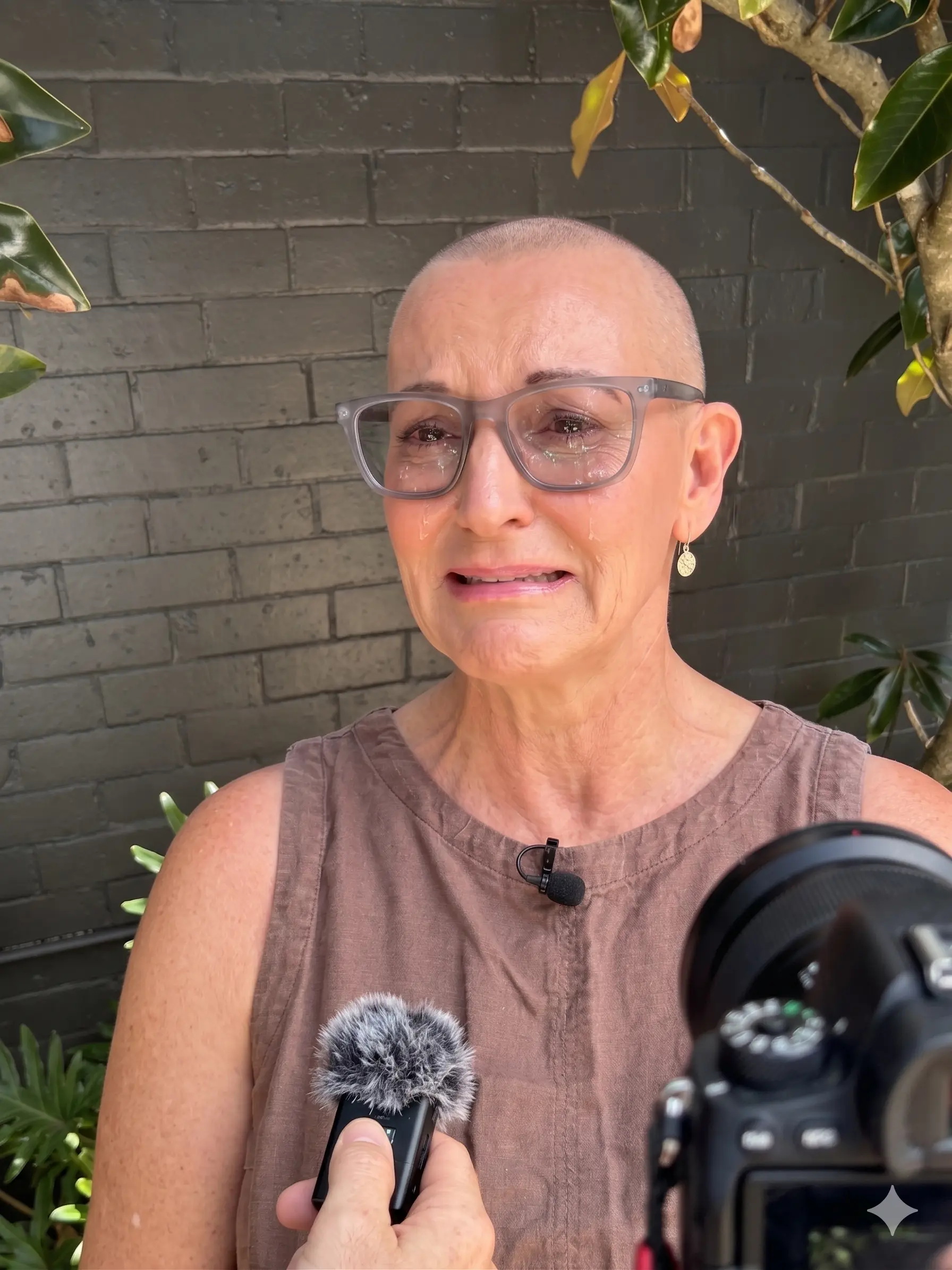
In a recent Instagram post that has since resonated widely, Thorburn addressed what many in the cancer community call “cancer ghosting”—the sudden withdrawal of support from those closest to the patient after the diagnosis is revealed. “A taboo cancer topic – cancer ghosting,” she shared, reading from a powerful excerpt and emphasizing that it is “not your fault.” She described the phenomenon as more painful than the physical rigors of treatment itself, noting that statistics suggest up to 65 percent of cancer sufferers face neglect from their nearest and dearest during their time of greatest need.
“It’s awful and it’s absolutely, heartbreakingly real,” she reflected, echoing the sentiment captured in the headline that has drawn so much attention.
For Thorburn, the experience was especially jarring. Once part of a vibrant social and professional circle during her 21-year marriage to Stefanovic, she found herself navigating the darkness of chemotherapy side effects largely on her own. The nights were the hardest, she explained in heartfelt posts, when the house grew quiet and intrusive thoughts grew loud. “Sending everyone on the chemo journey, especially those of you on your own, a virtual hug,” she wrote after one particularly tough walk to treatment.
“I am with you in the dark of the night when the house is quiet and your thoughts are loud.” Her words paint a vivid picture of solitude amid suffering—a stark contrast to the expectation that loved ones would rally around her.
This sense of abandonment is not unique to Thorburn, though her public platform has helped shine a much-needed light on the issue. Cancer ghosting, as experts describe it, often stems not from malice but from the emotional limitations of others. Friends and family may feel overwhelmed by their own fears of loss, discomfort with serious illness, or uncertainty about how to offer support. They pull away, sometimes disappearing entirely, leaving the patient to grapple with an additional layer of grief on top of their medical battle.
Thorburn’s bravery in naming this taboo subject has prompted an outpouring of responses from others who have faced similar isolation, validating their experiences and encouraging more open conversations.
Despite these challenges, Thorburn has demonstrated remarkable strength. She continues to work full-time from home, sharing updates that blend honesty about her struggles with practical advice for fellow patients and their supporters. Oncologists, she notes, strongly encourage walking during treatment, as studies show it can improve outcomes. Yet even this simple act becomes daunting with the heavy fatigue chemotherapy brings. After her first dose of the “red devil,” she spent five days in hospital, a reality that tested her resolve but did not break it.
Her message to friends of those in treatment is simple yet profound: show up, listen, and understand that small gestures matter immensely.
Thorburn’s three adult children—Jackson, Willow, and River—have been a vital source of support. Willow, in particular, flew home from the UK shortly after the diagnosis to be by her mother’s side, adjusting plans for what was meant to be a mother-daughter driving holiday. The family’s unity stands in poignant relief against the broader withdrawal Thorburn has described. Her ex-husband Karl Stefanovic, who remarried in 2018 and has a young child with his current wife Jasmine Yarbrough, has maintained a public silence on the matter, though reports suggest the children remain a bridge between their parents.
This latest chapter in Thorburn’s life comes after years of navigating post-divorce challenges. Following the shock end of her marriage in 2016, she spoke candidly about dark days of single motherhood and self-doubt. Yet through it all, she built a career as a children’s author and journalist, always prioritizing authenticity. Her openness about cancer follows that same path, turning personal hardship into a platform for awareness.
By documenting her journey—from the initial mammogram that caught the aggressive cancer early to the emotional and physical highs and lows of treatment—she has inspired many women to book overdue screenings and others undergoing chemo to feel less alone.
Health advocates praise Thorburn’s willingness to discuss the psychological impacts of cancer, which are often overshadowed by the focus on physical symptoms. Organizations like Look Good Feel Better, which she has turned to for support, offer workshops to help patients regain confidence during treatment. Meditation, gentle exercise, and community resources become lifelines when personal networks falter. Thorburn’s story underscores the importance of proactive support systems—not just for the patient, but for educating loved ones on how to stay present through discomfort.
As she continues her treatment, Thorburn remains hopeful and proactive. She expresses gratitude to the NSW Breast Screen program for early detection and urges others not to delay check-ups. “There’s no ‘why me?’ There’s no ‘poor me’ here,” she affirmed early on. “Just a desire to stop this in its tracks.” Her resilience shines through even in moments of vulnerability, reminding readers that strength is not the absence of pain but the courage to face it openly.
In sharing her story, Cassandra Thorburn has done more than reveal her own silent struggles—she has given voice to countless others who have felt abandoned in their fight against cancer. Her words serve as both a mirror to society’s shortcomings in supporting the ill and a beacon of hope for those walking similar paths. In a world quick to celebrate triumphs, her honesty about the heartbreak of ghosting invites deeper empathy and action.
As she puts one foot in front of the other toward recovery, Thorburn’s journey reminds us all of the power of showing up—for ourselves and for each other—especially when it matters most.