
It was my fault we didn’t win,” Chase Briscoe admitted, a costly mistake in the final minutes that allowed Shane van Gisbergen to win at Sonoma despite having a tire advantage in the final moments of the race.
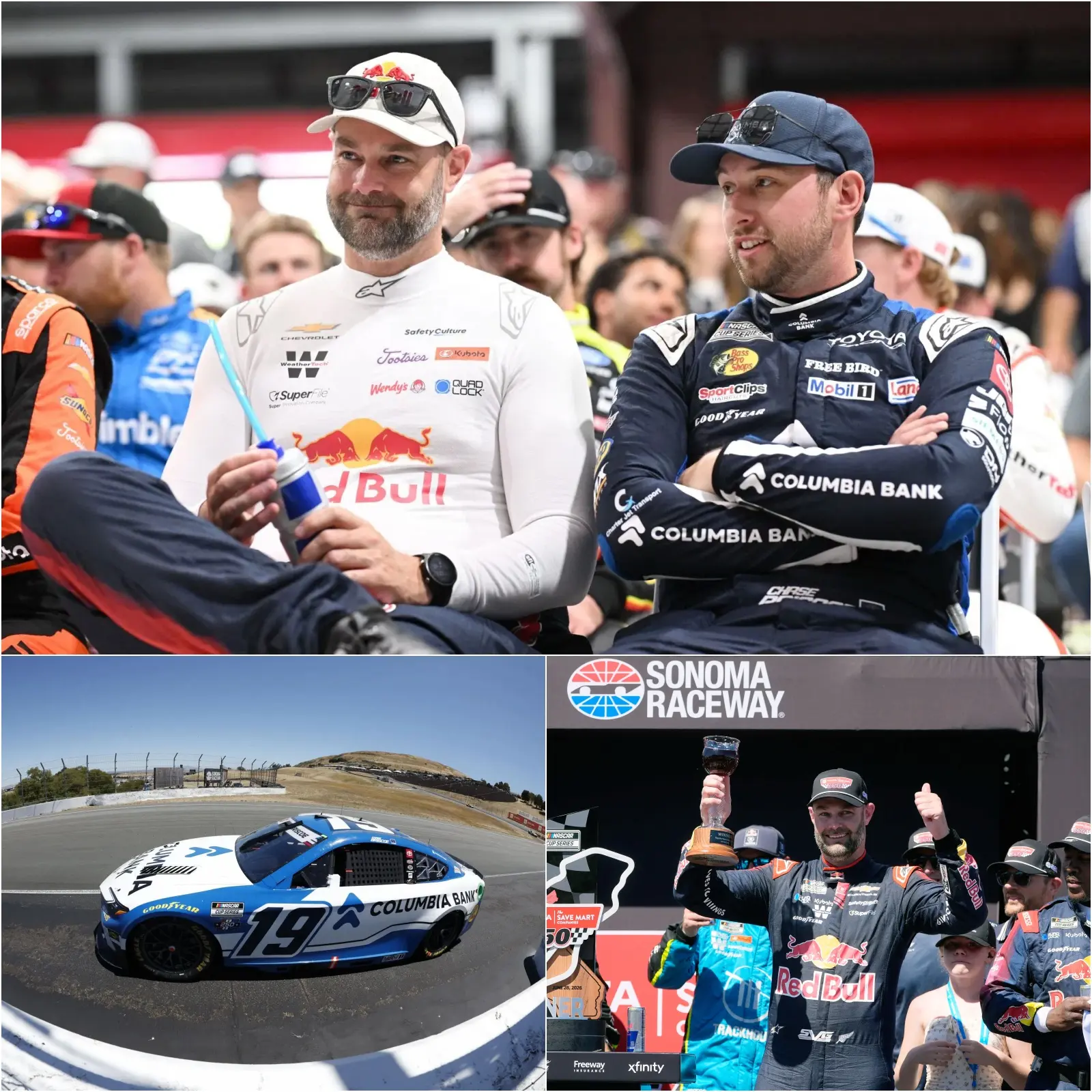
In a thrilling showdown at Sonoma Raceway, Shane van Gisbergen secured his second consecutive victory in the Toyota/Save Mart 350, fending off a determined late charge from Chase Briscoe to claim his eighth NASCAR Cup Series win—all on road courses. The race on June 28, 2026, highlighted the Kiwi driver’s mastery of the 1.99-mile, 11-turn circuit while underscoring Briscoe’s self-assessed error that ultimately decided the outcome.
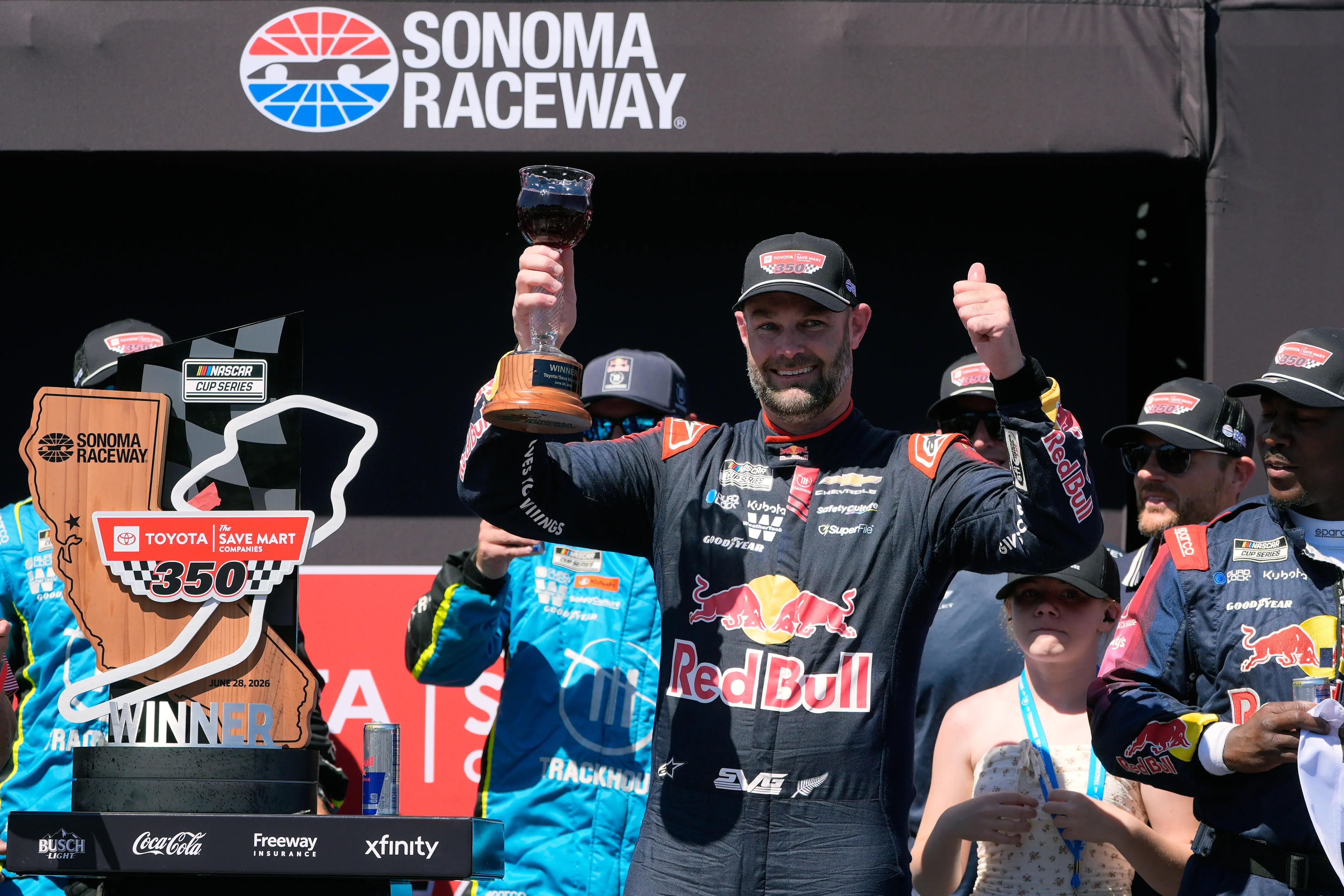
Van Gisbergen, driving the No. 97 Trackhouse Racing Chevrolet, dominated large portions of the 110-lap event, leading 74 laps and controlling the final long green-flag run. His weekend sweep at Sonoma demonstrated consistent excellence, building on his performance from the previous year. Despite starting from a less-than-ideal position after sixth-place qualifying, his team executed a strong strategy that positioned him favorably during the final pit stops under green-flag conditions.
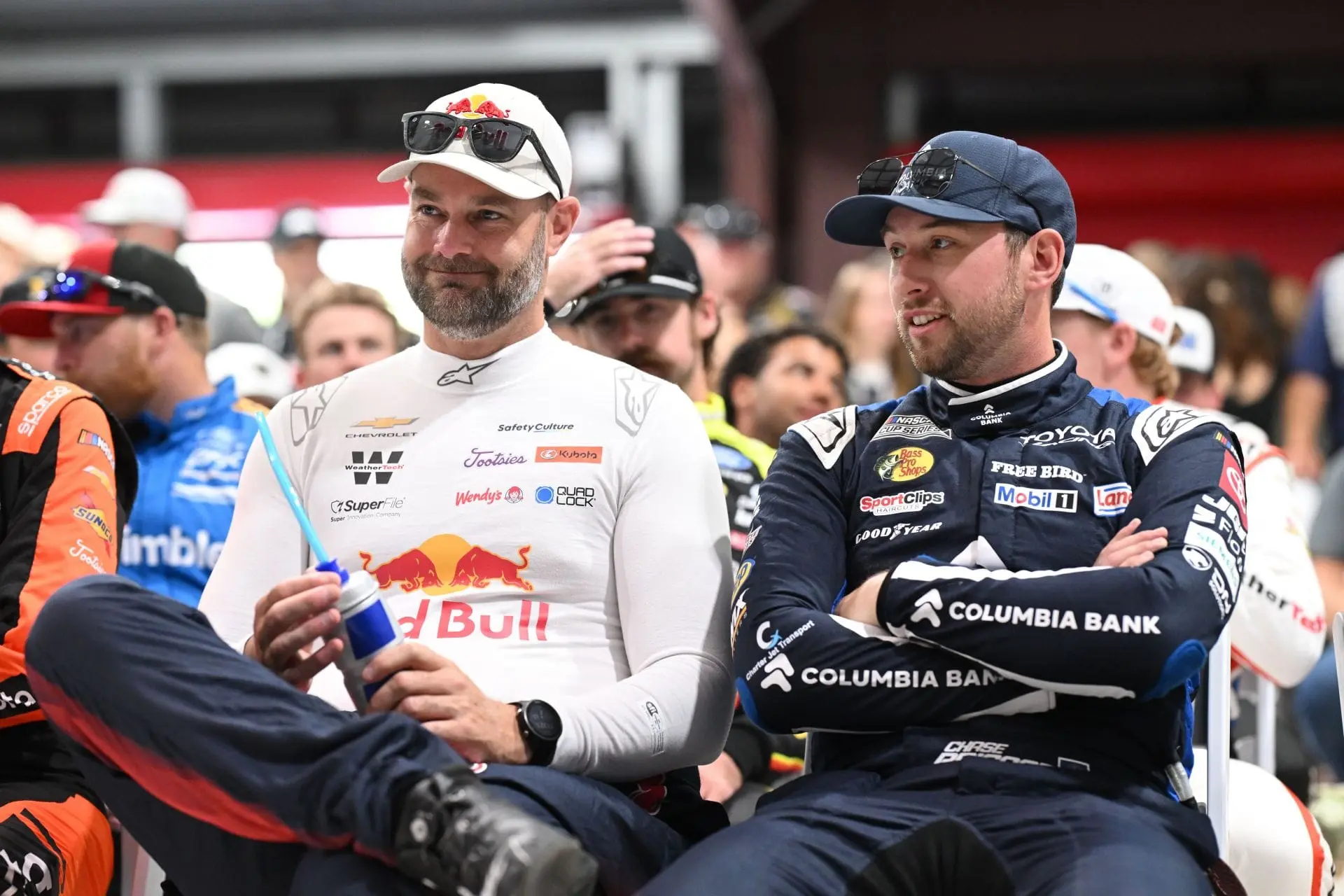
As the race entered its decisive phase, Briscoe in the No. 19 Joe Gibbs Racing Toyota emerged as the primary challenger. Equipped with fresher tires after pitting strategy played out, Briscoe rapidly closed the gap on the leader. He charged from seventh place and made significant inroads in the closing laps, cutting the deficit to under a second at times. Observers noted that Briscoe appeared to have the faster car in the final stint, gaining ground particularly in key sectors where his tire advantage allowed for more aggressive lines.
However, with approximately four laps remaining, Briscoe encountered trouble in Turn 1. He slipped while pushing hard to close the gap, losing valuable time—estimated at around a second—and nearly crashing. This mistake disrupted his momentum at the precise moment when a pass seemed plausible. Post-race, Briscoe was candid about the incident, taking full responsibility. “Yeah, just frustrated with myself,” he said. “I felt like I definitely had the better car. I didn’t do as good of a job as he did driving. I just made a mistake with, like, three or four to go getting into (Turn) 1.
I was having to push so hard, and that was where I would make up my ground. It was just such a razor’s edge, and I about crashed.”
In a widely quoted admission that captured the essence of his disappointment, Briscoe added, “At the end of the day, it was my fault we didn’t win.” He further likened the challenge to “playing one-on-one against Michael Jordan,” emphasizing van Gisbergen’s exceptional skill on road courses and the precision required to overtake him. Despite the setback, Briscoe praised his crew chief James Small and the team for providing an outstanding car capable of victory.
Van Gisbergen, for his part, acknowledged the pressure from behind. “The 19 was coming. He was really, really good, and I ran out at the end,” he noted after the race. The New Zealander’s ability to maintain composure under duress in the final laps proved decisive, allowing him to hold on by a narrow margin of 0.357 seconds at the checkered flag. This tight victory marked his closest margin in any of his eight Cup wins, adding drama to an already competitive afternoon.
The race itself unfolded with strategic nuances typical of Sonoma’s demanding layout. Pole-sitter Ty Gibbs swept the first two stages, earning bonus points with strong early performances, but faded to third in the final standings. Other notable finishers included Kyle Larson in fourth and Christopher Bell rounding out the top five in some reports. The long final run to the finish without cautions tested tire management and fuel strategy, areas where van Gisbergen’s experience as a former Supercars champion shone through.
Beyond the immediate battle at the front, the event carried implications for the broader NASCAR season. Van Gisbergen’s win helped solidify his standing, particularly in the context of the In-Season Challenge and points positioning. For Briscoe and Joe Gibbs Racing, the runner-up result, while disappointing, demonstrated their competitiveness on road courses, building on a similar strong showing the previous year at Sonoma.
Briscoe’s second-place finish at Sonoma marked the second straight year he has finished as runner-up there, often in close contention with van Gisbergen. This recurring matchup underscores the evolving dynamics in NASCAR’s road course racing, where drivers with diverse backgrounds—like van Gisbergen’s international road racing pedigree—bring unique strengths. Briscoe’s ability to challenge so closely speaks to his growth and the parity in equipment among top teams.
Fans and analysts alike praised the intensity of the late-race duel. The Sonoma circuit, known for its elevation changes, tight corners, and scenic but challenging layout in California’s wine country, once again delivered compelling action. Van Gisbergen’s back-to-back triumphs there affirm his status as a road course specialist, tying him with notable figures in NASCAR history for road course victories.
In the aftermath, Briscoe reflected on the fine margins that define success in motorsports. His willingness to own the mistake highlighted a professional attitude focused on learning and improvement. For van Gisbergen, the win added to a growing legacy in American stock car racing, proving that his transition and adaptation continue to yield results against established competition.
As the NASCAR Cup Series moves forward, this race at Sonoma serves as a reminder of the blend of strategy, skill, and occasional human error that makes the sport captivating. Briscoe’s near-miss and subsequent honesty add a personal layer to the competition, while van Gisbergen’s victory cements another chapter in his road course dominance. Teams will analyze the data from this event as they prepare for upcoming races, seeking edges in both performance and execution under pressure.
The Toyota/Save Mart 350 exemplified high-level racing where tire management, precise driving, and split-second decisions determine winners. Despite Briscoe’s costly slip, his charge kept fans engaged until the final corner, where van Gisbergen held firm. As Briscoe put it, the better car was there, but perfection against a driver of van Gisbergen’s caliber on his preferred terrain was just out of reach this time.