
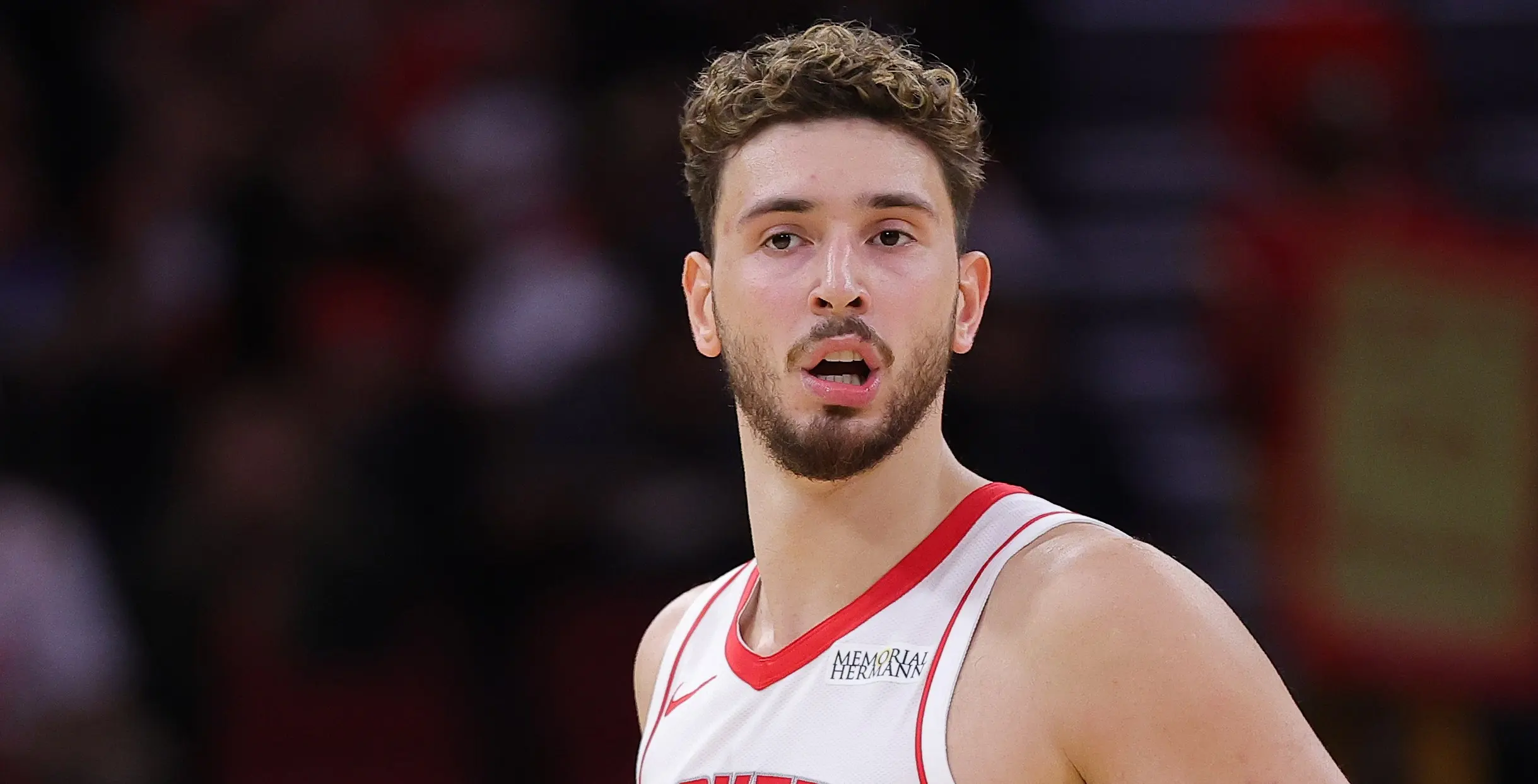
The NBA recently witnessed a heated post-game controversy as Houston Rockets star Alperen Şengün openly accused referees of favoring the Los Angeles Lakers. Speaking after a narrow loss at the Toyota Center, Şengün expressed his frustration over what he described as “wrong calls” that decisively influenced the final minute of the game. The young center’s remarks sparked immediate attention across social media, with fans and analysts dissecting every part of his statement for signs of deeper tensions between referees and high-profile teams.
Şengün’s criticism targeted the officiating crew, claiming that some key decisions unfairly benefited the Lakers. “If they want the Lakers to win at any cost, they can just hand the cup to that team and stop forcing us to play meaningless games,” he remarked. This bold statement underscored the Rockets’ sense of injustice and the growing perception among some NBA players that certain teams receive preferential treatment, particularly in high-stakes moments.
The controversy intensified when Şengün highlighted a specific play in the final minute that, according to him, directly led to the Rockets’ defeat. “We were given a wrong call, one that completely shifted momentum in their favor,” he explained. Basketball analysts reviewing the footage noted that the disputed call involved a critical foul that went against the Rockets, raising questions about consistency in officiating standards across the league.
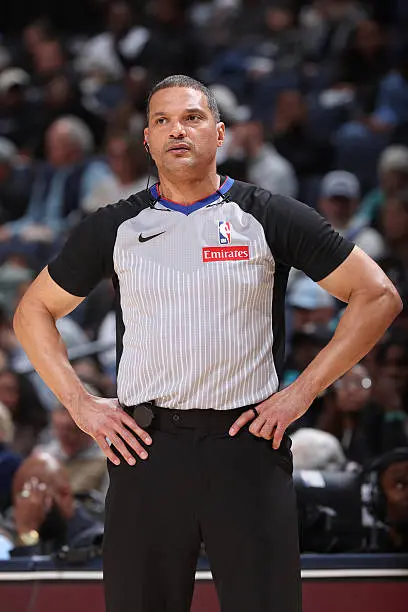
Adding fuel to the fire, Şengün also criticized head referee Nate Green for allegedly ignoring aggressive plays by the Lakers. “Their rough defense should have been penalized, but nothing happened,” he said. Rockets players reportedly felt demoralized on the court, with some struggling to maintain focus after witnessing repeated uncalled fouls. Insider sources suggest that this sense of unfairness contributed significantly to Houston’s collapse in the final moments of the game.
The public reaction was swift. Fans of both teams flooded social media, debating whether Şengün’s accusations held merit or were simply emotional outbursts after a tough loss. NBA commentators pointed out that while officiating errors are part of every sport, direct accusations of bias toward a particular team are rare and potentially damaging to the league’s reputation. This put the NBA in a delicate position, needing to balance transparency and authority.
Behind the scenes, the NBA reportedly acted quickly to prevent the situation from escalating. Sources close to league management revealed that an emergency review of the game footage was conducted, with top officials examining every controversial call. The intervention aimed not only to evaluate the fairness of the game but also to manage public perception, as repeated accusations of favoritism could threaten fan trust and the integrity of the league.
In a surprising turn, the NBA issued a decision following the internal review. The league confirmed that the contested call did not violate officiating rules but acknowledged that the sequence of events was “unfortunate and could have been handled more clearly.” This statement seemed to walk a fine line—affirming the referees’ actions while implicitly recognizing the frustration expressed by Şengün and the Rockets organization.
Insider information revealed that some NBA officials privately sympathized with the Rockets’ viewpoint. “We all saw the frustration,” one anonymous source said. “While the rules were technically followed, the perception of unfairness is something the league takes seriously. They don’t want players or fans feeling like any team has an unfair advantage.” This acknowledgment sheds light on the complex pressures referees face during high-stakes games and why certain calls generate intense scrutiny.
The Lakers, meanwhile, remained largely silent, though close associates of the team admitted they noticed the post-game tension. One staff member reportedly commented, “We play hard, but we don’t control officiating. Seeing the Rockets’ reaction was tough—they’re a talented team, and emotions run high.” This rare behind-the-scenes glimpse shows that even teams benefiting from controversial calls are not immune to discomfort or awareness of controversy.
Şengün’s statements have sparked broader discussions about referee accountability in the NBA. Analysts have pointed out that the league’s current review system, which includes post-game evaluation of referees, may not always address public perception or morale issues among players. Some experts are calling for more transparency and potentially real-time explanations during games to reduce suspicions of favoritism, a measure that could prevent future incidents similar to the Rockets-Lakers clash.
In Houston, the reaction among Rockets players and fans has been particularly intense. Many expressed support for Şengün’s honesty, noting that athletes often face pressure to avoid criticizing officials publicly. Rockets guard Kevin Porter Jr. commented, “Alperen said what a lot of us felt. It wasn’t just frustration—it was about fairness and respect for the game.” Such statements reveal the human side of the conflict and why players sometimes risk league sanctions to speak out.
Interestingly, some NBA referees have also weighed in indirectly, emphasizing the difficulty of split-second decision-making in fast-paced games. A veteran official, speaking under anonymity, noted, “We aim to be impartial, but the speed and intensity of play mean mistakes happen. Criticism comes with the territory, but accusations of intentional bias are much more serious.” These insights provide context to why both the league and players may find themselves in tense confrontations over officiating.
The incident may have long-term implications for NBA policies. Sources familiar with league discussions suggest that the controversy could accelerate initiatives to enhance referee transparency, including expanded use of video review and post-game explanations for critical calls. While nothing has been officially announced, insiders hint that changes could appear as early as the next season, potentially transforming how games are perceived by both players and fans.
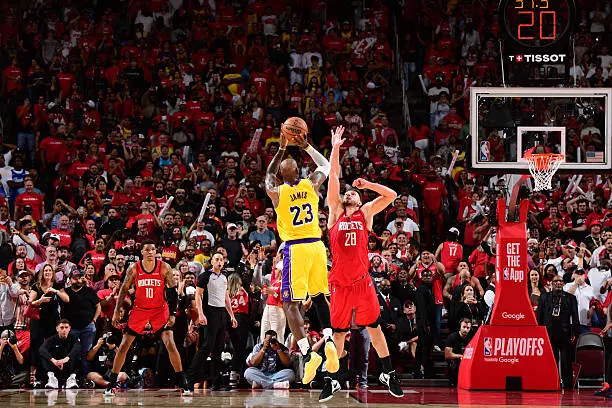
Meanwhile, social media has amplified every angle of the story. Clips of the disputed call have gone viral, with commentators and fans analyzing frame-by-frame action. Some suggest that even if the official ruling stands, public perception could continue to favor the Rockets’ narrative, demonstrating the power of digital platforms in shaping sports controversies. Analysts warn that managing reputation has become as critical as winning games themselves.
Despite the tension, Şengün has remained composed, focusing on team development and future games. “We can’t dwell on one moment,” he said. “Our job is to play, learn, and improve. But we also need to feel respected on the court.” This measured approach highlights his professionalism, showing that criticism of officiating does not necessarily undermine a player’s commitment to team goals or sportsmanship.
Ultimately, the Rockets-Lakers incident underscores a perennial challenge in professional sports: balancing competitive intensity with fair and transparent officiating. The NBA’s measured response, combined with insider acknowledgment of the controversy, suggests that the league is aware of both the technical and emotional dimensions of the issue. Players like Şengün, who speak out, may be catalysts for meaningful reforms in how the game is managed and perceived.
As fans and analysts await the next face-off between these teams, the shadow of the controversy lingers. Will the NBA take further steps to ensure that every call is perceived as impartial? Will players feel confident voicing concerns without fear of reprisal? The answers may shape not only future Rockets-Lakers matchups but also the broader culture of accountability and fairness in the league.
In conclusion, the dispute sparked by Alperen Şengün’s candid remarks reveals much more than a single controversial call. It exposes pressures on referees, challenges in maintaining player morale, and the delicate task the NBA faces in preserving credibility. With insider insights, league interventions, and ongoing discussions, this incident could be a turning point in how professional basketball handles both officiating and public trust, ensuring that fairness remains at the heart of the sport.