
Cameron Munster has officially put an end to all speculation surrounding his availability, confirming he will take his place in the starting side on Wednesday night after days of uncertainty that had left Melbourne Storm fans anxiously waiting for clarity. Speaking at this morning’s press conference on May 25, the Queensland and Storm superstar appeared relaxed, upbeat and typically humorous as he addressed the growing rumours that he could miss the upcoming clash due to injury concerns that surfaced earlier in the week.
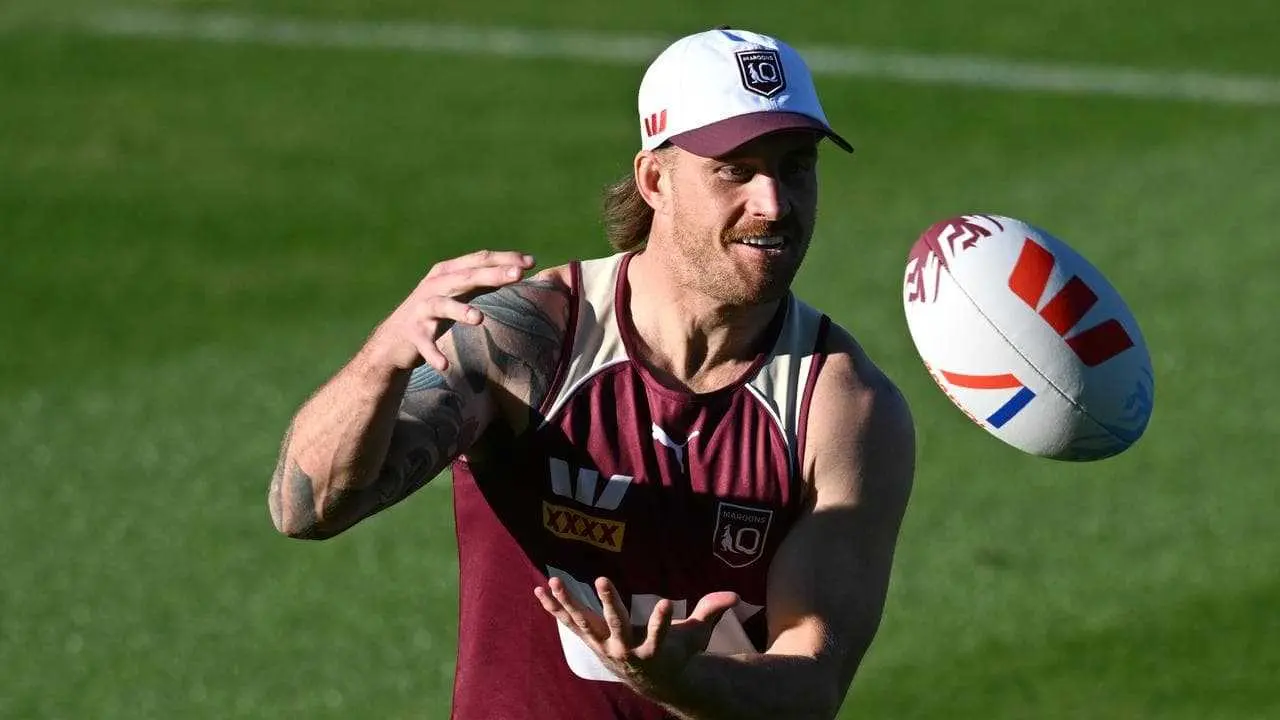
Munster, known as much for his personality off the field as his brilliance on it, laughed off suggestions that he was dealing with anything serious, explaining that the issue was nothing more than a minor muscle tightness that came down to “getting old”. The 30-year-old admitted the Storm coaching and medical staff had chosen to manage his workload carefully rather than risk aggravating the problem unnecessarily during a physically demanding stage of the season.
In classic Munster fashion, the five-eighth used humour to diffuse the tension surrounding the situation, joking with reporters that his body was simply reminding him he was no longer a teenager. While the room shared a laugh, there was also a sense of relief among Storm supporters who had feared the club’s most influential playmaker might be sidelined at a crucial point of the year.
“I’m sweet,” Munster said with a grin during the media appearance. “Just getting old, I think. The staff wanted me to rest up a bit and make sure everything’s right. I’ll be there Wednesday night, no dramas.”
That confirmation immediately sent excitement through the rugby league community. Munster remains one of the NRL’s premier match-winners and his importance to Melbourne Storm cannot be overstated. Few players in the competition possess his ability to change the momentum of a game within seconds. Whether through his running game, kicking creativity, defensive effort or sheer unpredictability, Munster has consistently proven he is the heartbeat of Craig Bellamy’s side.
For Storm fans, hearing the words “100 per cent playing” was exactly what they wanted after a week dominated by uncertainty. Social media had been flooded with speculation following reports that Munster had been absent from sections of training and was receiving treatment behind the scenes. Some feared the issue could develop into a longer-term concern, especially considering the physical toll Munster has endured throughout recent seasons.
Despite his confident appearance today, Munster also acknowledged that his body has been through a demanding period over the past few years, and while this latest concern is considered minor, it serves as another reminder of how difficult it is for elite players to maintain peak physical condition across the relentless NRL calendar.
The Storm playmaker admitted there have been moments recently where managing soreness and recovery has become increasingly important. Although he repeatedly stressed there is no major injury concern at present, his comments about muscle tightness and the realities of aging inevitably created some concern among supporters who know just how central he is to Melbourne’s premiership ambitions.
It is not the first time Munster has battled through physical discomfort during his career. In fact, one of the defining features of his rise to becoming one of the game’s elite players has been his willingness to compete despite setbacks. Over the years, he has carried shoulder complaints, knee soreness, hip issues and the usual bumps and bruises that come with being one of the most heavily targeted players in rugby league.
What makes Munster unique is that he rarely allows those challenges to visibly affect his performance. Even at less than full fitness, he remains capable of producing moments that few others in the competition can replicate. That toughness has earned him enormous respect within the game, particularly among teammates and coaches who understand the physical sacrifice required to perform week after week in such a demanding sport.
However, there is also a growing understanding across the NRL that player management has become more important than ever. Clubs are now far more cautious when it comes to handling minor injuries, especially with representative football, finals campaigns and the overall length of the season placing additional stress on athletes. In previous eras, players may have been expected to simply push through every issue without hesitation. Today, sports science and recovery strategies play a far larger role in decision-making.
That appears to be exactly what happened in Munster’s case. Rather than taking unnecessary risks, Melbourne’s coaching staff opted for a conservative approach, allowing their star playmaker additional recovery time to ensure he remains fully available in the weeks ahead. Considering Munster’s value to the side, the decision makes complete sense from a long-term perspective.
Craig Bellamy has always been known for prioritising player welfare and preparation over short-term panic, and this situation seems to reflect that philosophy perfectly. The Storm coach understands better than anyone that keeping Munster healthy and mentally fresh is essential if Melbourne are to challenge for another premiership later in the season.
The timing of Munster’s return is also significant given the pressure surrounding Melbourne’s upcoming fixtures. The Storm remain among the competition’s heavyweights, but the race for top-four positioning is becoming increasingly competitive. Having their chief playmaker available provides not only tactical stability but also emotional confidence throughout the squad.
Teammates consistently speak about the energy Munster brings to the side. His presence alone lifts the intensity at training and during matches. Opponents know they must constantly remain alert whenever he touches the football because he thrives in broken play situations where instinct takes over. Few players can create opportunities out of nothing the way Munster can.
That influence extends beyond attack as well. One of the underrated aspects of Munster’s game is his competitiveness in defence. He is never afraid to throw himself into difficult tackles or chase down opposition breaks, and that effort often inspires teammates around him. It is part of the reason why Bellamy values him so highly.
Still, while today’s press conference largely delivered positive news, fans would be lying if they said there was zero concern after hearing Munster joke about “old age” and ongoing physical management. Elite athletes often use humour to minimise issues publicly, but supporters also understand that repeated muscle tightness and recovery concerns can become more challenging as players progress through their careers.
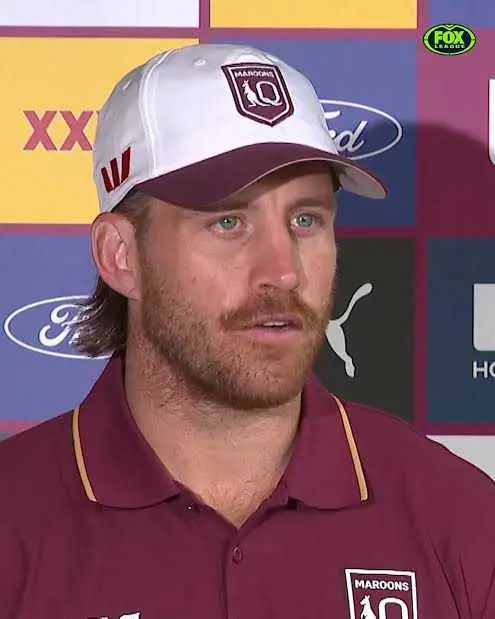
At 30 years old, Munster remains firmly in his prime as a footballer, yet rugby league years can feel significantly older due to the brutal nature of the sport. Halves are constantly targeted by defensive lines, forced to absorb heavy contact while simultaneously carrying enormous creative responsibility. Over time, that wear and tear inevitably accumulates.
The encouraging aspect for Storm fans is that Munster himself appears comfortable and confident about where his body is at. There was no sense of hesitation in his answers today, nor any indication that he doubted his ability to perform at his usual level on Wednesday night. If anything, the playmaker looked eager to move past the speculation and focus entirely on football again.
His relaxed attitude may also reflect the culture Melbourne have built over many years. The Storm have consistently been among the best organisations in managing senior players and extending careers through smart conditioning programs, recovery systems and controlled workloads. Players like Cameron Smith, Billy Slater and Cooper Cronk all benefited from that professionalism during their careers, and Munster now appears to be following a similar path.
For the broader rugby league audience, Munster’s return is simply good for the game. The NRL is at its best when its biggest personalities and most creative players are on the field. Munster brings entertainment, unpredictability and emotion every time he plays. Whether supporters love him or hate him, very few can deny he is one of the competition’s genuine superstars.
Wednesday night now shapes as an opportunity for Munster to silence any remaining doubts in the best possible way — by performing the way only he can. If he produces one of his trademark displays, today’s injury concerns will quickly become little more than a footnote in Melbourne’s season narrative.
At the same time, his recent comments also open up a broader conversation about workload management in the modern game and how clubs balance immediate results with protecting their marquee players over an entire season. As the physical intensity of rugby league continues to rise, managing recovery may become just as important as training itself.
Munster’s honesty this morning was refreshing because it acknowledged something fans often forget: even elite athletes feel the physical effects of constant competition. They may perform extraordinary feats on the field, but their bodies still absorb every collision, sprint and tackle along the way.
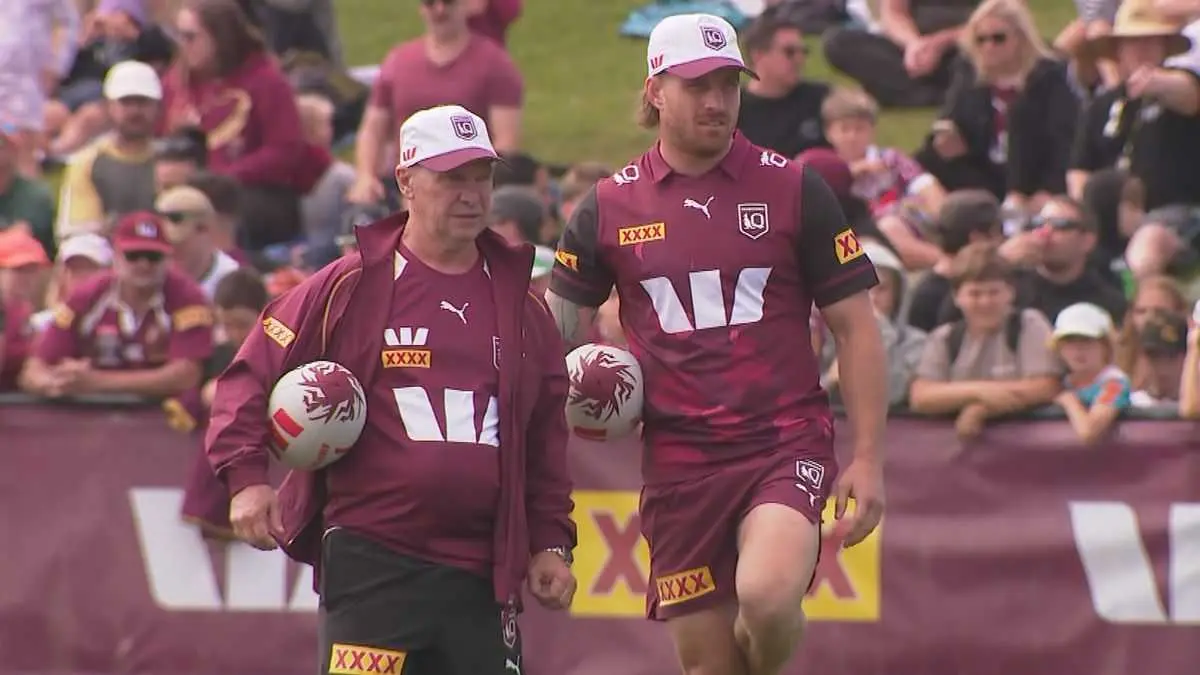
Now that the speculation has finally been put to rest, attention turns back to what Munster does best — leading Melbourne Storm in big matches and delivering moments capable of deciding entire games. The relief among supporters is obvious, but so too is the lingering awareness that keeping Munster healthy for the remainder of the season could ultimately determine how far Melbourne can go in 2026.
If Munster is already joking about “getting old” at this stage of his career, should Melbourne Storm begin managing his workload even more carefully moving forward, or is his competitive nature too important to limit despite the physical toll of the modern game?