
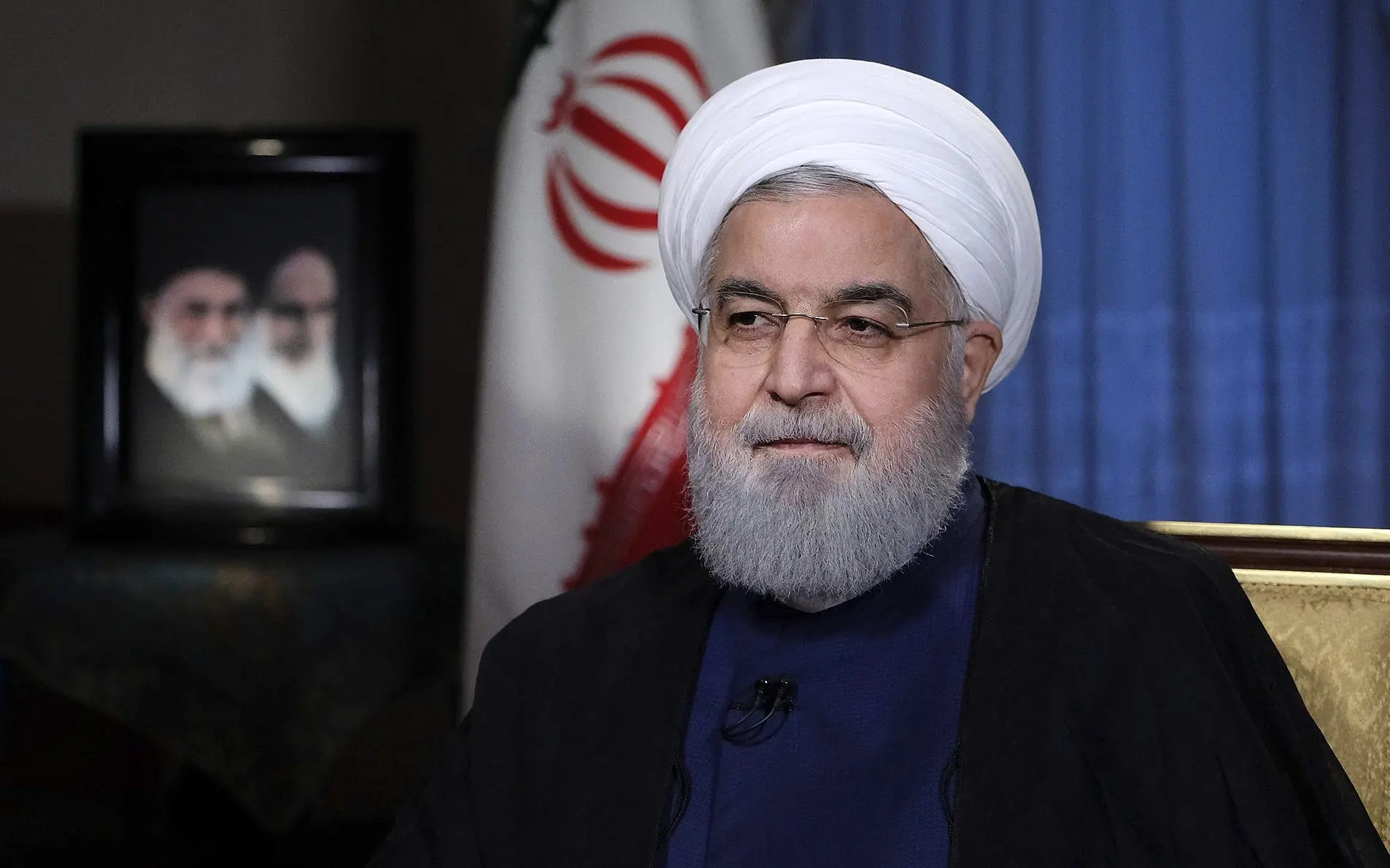
Regional tensions escalated sharply after Iranian state-affiliated media reported that the country’s president described avenging the reported killing of Ali Khamenei as a legitimate duty and right. The claim, which has not been independently verified by multiple international sources, emerged amid an already volatile security environment involving Iran, the United States, and Israel. Governments across the region are said to be urgently assessing the credibility of the reports while preparing contingency responses to prevent further destabilization.
Initial coverage from outlets aligned with Tehran suggested that senior officials convened emergency meetings following what they described as a targeted strike. However, no comprehensive forensic evidence or multinational confirmation has yet substantiated the reported killing. Analysts caution that in periods of heightened conflict, information warfare and rapid narrative shaping can precede verified fact. Diplomatic channels in Europe and Asia have reportedly sought clarification through backdoor communications to avoid miscalculation based on incomplete or inaccurate reports.
The Iranian presidency, while stopping short of releasing operational details, was quoted as framing any retaliatory action within the bounds of national sovereignty and self-defense. Officials close to the administration indicated that discussions are underway regarding proportional response options. At the same time, some insiders have urged restraint, warning that immediate escalation could trigger unpredictable regional consequences. The delicate balance between signaling resolve and avoiding open confrontation appears central to internal deliberations.
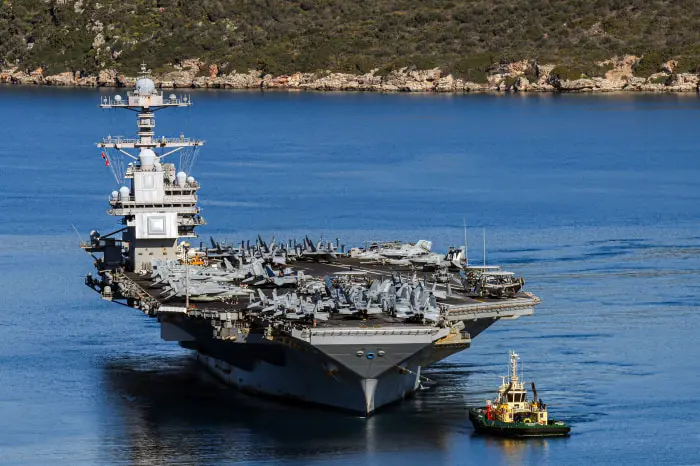
The United States has not publicly confirmed the reported incident, and spokespeople declined to speculate on unverified intelligence. United States Department of Defense officials reiterated that American forces in the region remain vigilant and prepared to protect personnel and assets. Israel has also maintained official silence, though regional observers note that any perceived involvement would carry profound strategic implications. Military analysts stress that transparency will be crucial in the coming hours to prevent rumor-driven escalation.
International organizations are closely monitoring developments. Representatives at the United Nations reportedly held preliminary consultations regarding potential emergency sessions if confirmation emerges. European Union diplomats emphasized the need for de-escalation and verification before drawing conclusions. Global markets reacted cautiously, with energy prices experiencing early fluctuations as traders assessed the possibility of disruptions in the Strait of Hormuz, a critical artery for global oil shipments.
Within Iran, public reaction has been mixed but emotionally charged. State broadcasters aired commentary emphasizing national unity and resilience. Social media platforms, meanwhile, reflected both calls for decisive action and concerns about the human cost of broader conflict. Political commentators inside the country highlighted the symbolic weight of the Supreme Leader’s position, noting that any credible threat to that office carries ramifications beyond ordinary political transitions, touching on constitutional and religious dimensions of governance.
Security experts note that succession mechanisms within Iran’s political system are structured but complex. Should verified evidence confirm a leadership vacuum, constitutional procedures involving the Assembly of Experts would be activated. However, premature speculation risks inflaming tensions. Scholars specializing in Iranian governance caution that even rumors of leadership change can embolden rival factions domestically and influence strategic calculations abroad. The uncertainty itself may prove destabilizing if not quickly clarified.
Behind the scenes, regional actors are reportedly recalibrating defensive postures. Gulf states have quietly reviewed contingency plans, aware that any retaliatory strike or counterstrike could spill beyond immediate participants. Intelligence agencies across Europe are analyzing satellite imagery and communications intercepts for corroboration. The absence of clear photographic or forensic evidence thus far has fueled skepticism among some analysts, who warn against accepting dramatic claims without independent validation.
Energy markets and global shipping routes remain under heightened observation. The Strait of Hormuz, through which a significant percentage of the world’s oil supply passes, has historically been a flashpoint during Iran-related crises. Maritime security firms have advised vessels to monitor official advisories closely. Financial institutions are also tracking developments, given the potential for sanctions adjustments, currency volatility, and broader geopolitical ripple effects should the situation escalate further.
For now, the story remains fluid and heavily dependent on confirmation from credible, independent sources. Governments are urging caution in public statements while maintaining readiness behind closed doors. Whether the reported killing is substantiated or disproven, the episode underscores the fragility of regional stability and the speed at which information can amplify tensions. As diplomatic channels remain active, the international community watches closely, aware that miscalculation at this stage could have far-reaching and irreversible consequences.
As the hours pass without definitive confirmation, diplomatic pressure is intensifying for transparent disclosure of verified facts. Crisis hotlines between regional powers are believed to be active, aiming to prevent accidental escalation triggered by misinterpretation. Security specialists emphasize that restraint, clear communication, and multilateral engagement will be decisive in determining whether this moment becomes a contained diplomatic crisis or the catalyst for a far broader confrontation with global consequences.
j k lo i u y t r c g j i u b f f c tc y v v j