
Breaking news: “Lucky” rider Harry Kimber unexpectedly crashed after being crushed by West Chinnock, with odds of 80-1, in a chaotic fall on the final stage at Wincanton.
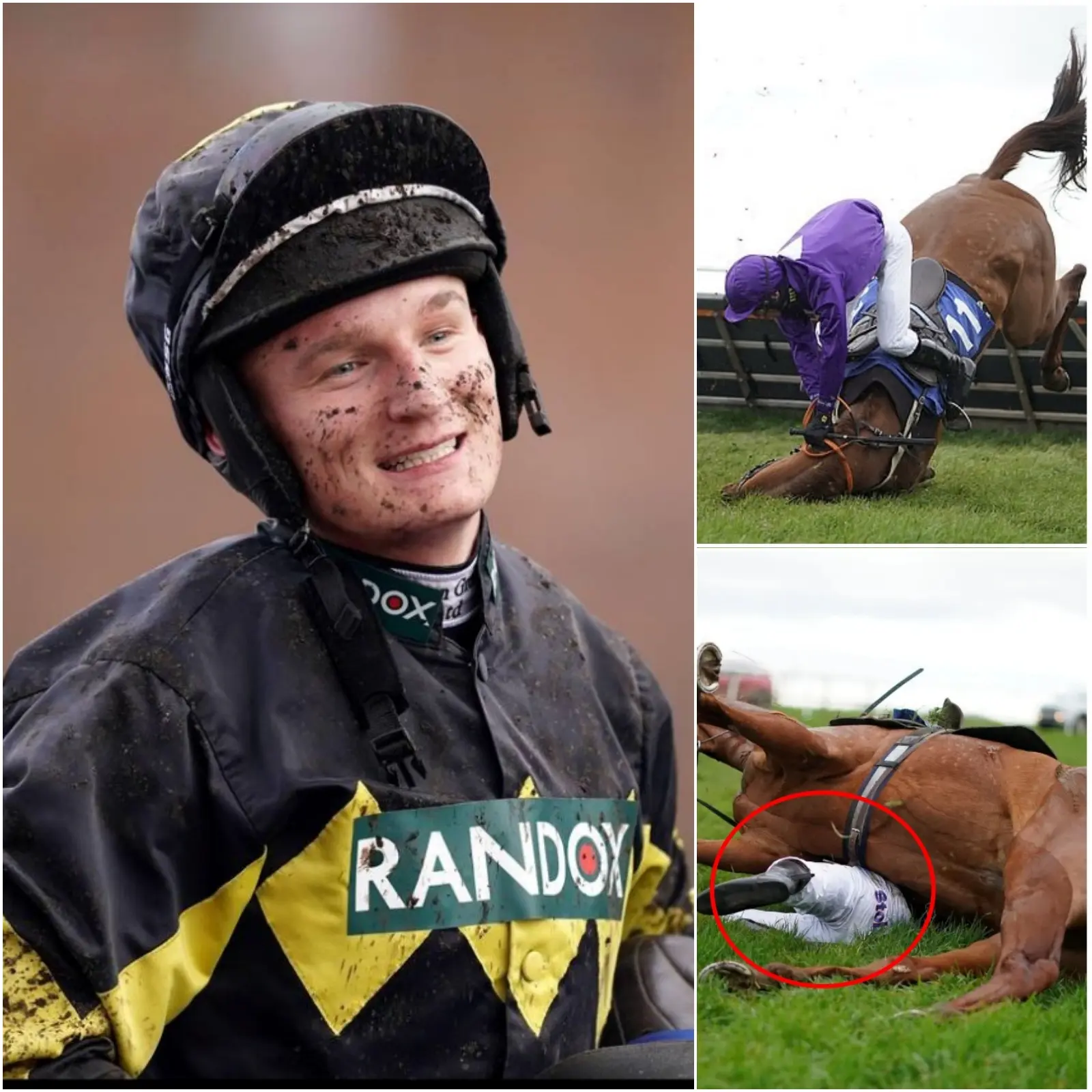
In the unpredictable world of National Hunt racing, where split-second decisions and raw athleticism collide with the raw power of thoroughbred horses, few moments capture the sport’s inherent danger and occasional dark humor quite like the incident involving jockey Harry Kimber at Wincanton Racecourse. What began as a routine hurdle race on a brisk afternoon in March 2019 quickly descended into chaos at the final flight, leaving spectators stunned and the racing community once again reminded of the fine line between triumph and disaster.
Harry Kimber, a talented rider with a background that includes time as a motocross competitor, was aboard West Chinnock, a horse carrying the long odds of 80-1. For punters and connections alike, the outsider represented little more than a speculative flutter in a competitive field. Yet, as the race approached its climax, the drama unfolded in spectacular fashion. West Chinnock, navigating the demanding obstacles at the Somerset track, lost its footing at the last hurdle. In the ensuing tumble, the horse came down heavily, landing directly on top of its jockey.
The moment was captured in vivid detail by racecourse cameras and later circulated widely in racing circles. Kimber disappeared momentarily beneath the bulk of the falling horse, a scene that drew gasps from the grandstands and prompted immediate concern from stewards and medical staff on hand. The fall was described by witnesses as chaotic, with the momentum of the race carrying other runners past the incident in a blur of hooves and colors. For a few tense seconds, the outcome hung in the balance, as track officials rushed to the scene while the remainder of the field crossed the line.
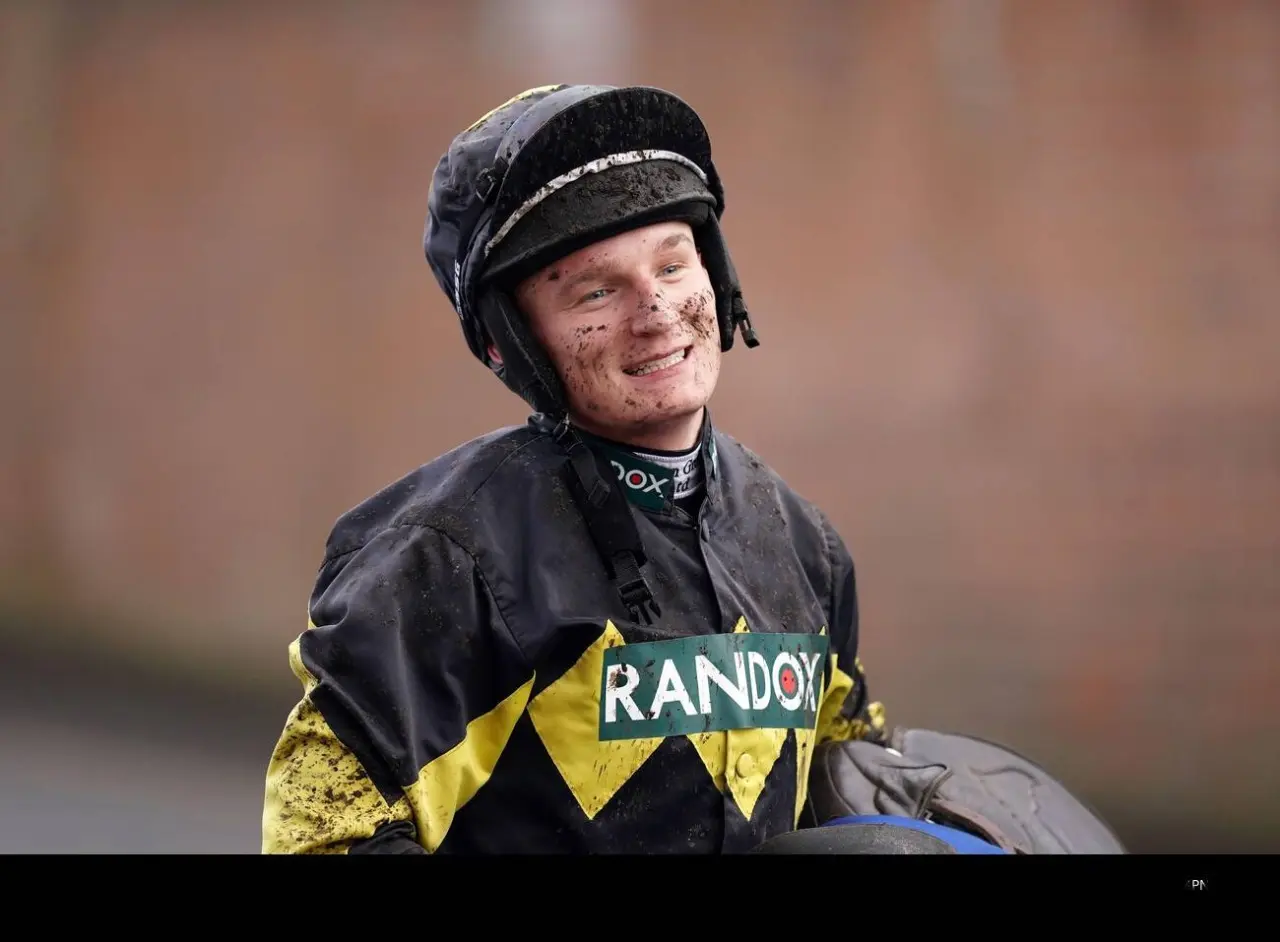
Remarkably, both horse and rider emerged relatively unscathed from what could have been a far more serious episode. West Chinnock scrambled to its feet without apparent major injury, shaking itself off as handlers moved in to assess any damage. Kimber, pinned briefly under the weight of the animal, managed to extricate himself and walked away with what reports at the time confirmed were only minor bruises. In the often brutal context of jump racing, where broken bones, concussions, and career-threatening injuries are an occupational hazard, this escape earned Kimber the ironic nickname “Lucky” among commentators and fellow professionals.
The incident quickly became a talking point in racing media, not least because of the sheer visual improbability of a horse landing squarely on its jockey at the business end of a race. Outlets like The Sun later included it in compilations of racing’s unluckiest or most jaw-dropping moments, playing on the pun “Kimber!” as a twist on the traditional cry of “Timber!” when something comes crashing down. Yet beneath the light-hearted retellings lay a serious appreciation for the resilience required in the sport.
Kimber’s ability to dust himself off and continue his career spoke volumes about the mental and physical toughness demanded of those who choose this path.
For those unfamiliar with the rider’s story, Harry Kimber brought an unconventional background to the weighing room. His earlier experiences in motocross racing equipped him with sharp reflexes and a fearlessness that translated well to the saddle. Transitioning to horses, he carved out a niche as a reliable conditional jockey, taking rides for various trainers and gradually building experience over fences and hurdles. Wincanton, with its undulating track and stiff finishing climb, has long been a venue that tests both horse and rider to their limits.
The race in question highlighted how even the most prepared competitors can fall victim to a moment’s misjudgment or a horse’s instinctive reaction.
Racing insiders noted that such pile-ups at the final obstacle are not uncommon, particularly when fatigue sets in and horses begin to tire after jumping multiple flights. The last hurdle often becomes a flashpoint, where leaders and challengers bunch up, increasing the risk of interference or falls. In this case, the 80-1 shot’s tumble served as a stark reminder that odds reflect probability, not certainty, and that any horse on any given day can produce the unexpected.
Punters who had dismissed West Chinnock as a no-hoper might have felt a pang of schadenfreude or sympathy, depending on their stake in the outcome.
The broader implications for horse welfare and jockey safety also came under quiet discussion in the aftermath. British racing has invested heavily in safety measures over the years, including improved hurdle designs, better protective gear for riders, and enhanced veterinary protocols on course. Incidents like Kimber’s, while dramatic, often underscore the effectiveness of these advancements when both parties walk away without lasting harm. The quick response from the on-site medical team and the horse’s rapid recovery were cited as positive signs of industry standards at venues like Wincanton.
Years on from that memorable afternoon, Harry Kimber has continued to ply his trade in the competitive world of jumps racing. He has enjoyed steady rides, occasionally featuring in results at tracks across the UK, and has spoken in interviews about the importance of learning from every fall. His motocross roots perhaps give him a unique perspective; the spills in that sport are frequent but rarely involve the added variable of a half-ton animal. Colleagues describe him as determined and level-headed, qualities that serve well when navigating the ups and downs of a jockey’s life.
Wincanton itself remains one of the West Country’s premier racing venues, hosting a mix of novice hurdles, handicaps, and chases throughout the season. The track’s reputation for producing competitive, sometimes unpredictable racing was only enhanced by episodes like this one. Crowds continue to flock there for the atmosphere, the hospitality, and the thrill of seeing athletes—both human and equine—push their boundaries.
In retrospect, the “Lucky” tag attached to Kimber feels both apt and affectionate. In a sport where statistics show that falls occur with sobering regularity, emerging from underneath a fallen horse at the final stage with little more than bruises qualifies as fortunate indeed. It also humanizes the risks that jockeys accept every time they pull on their silks and boots. For every glamorous winner’s enclosure photo, there are countless unseen moments of recovery, physiotherapy, and quiet resolve to get back in the saddle.
The racing community, known for its camaraderie, rallied around the incident with the typical blend of black humor and genuine concern. Trainers, fellow riders, and fans exchanged stories of similar near-misses, reinforcing the bonds that hold the sport together. While no one wishes for chaos on the track, these events serve as powerful reminders of why National Hunt racing commands such passion: it is raw, unpredictable, and ultimately a testament to courage.
As the sport evolves with better data analytics, improved breeding, and ongoing safety innovations, stories like Harry Kimber’s at Wincanton endure as vivid snapshots of its character. They capture not just the physical drama but the spirit of those who participate—the riders who climb aboard long shots and outsiders, knowing full well that fortune can turn in an instant. In this instance, fortune favored the “lucky” rider, allowing him to live to race another day and adding another chapter to the rich, sometimes perilous, tapestry of British horse racing.